Tournament Structures and Loyalty Tiers Drive Prize Accumulation in Modern Gaming Systems
Written by Rafael Keller · Jul 9, 2026
Tournament Structures and Loyalty Tiers Drive Prize Accumulation in Modern Gaming Systems
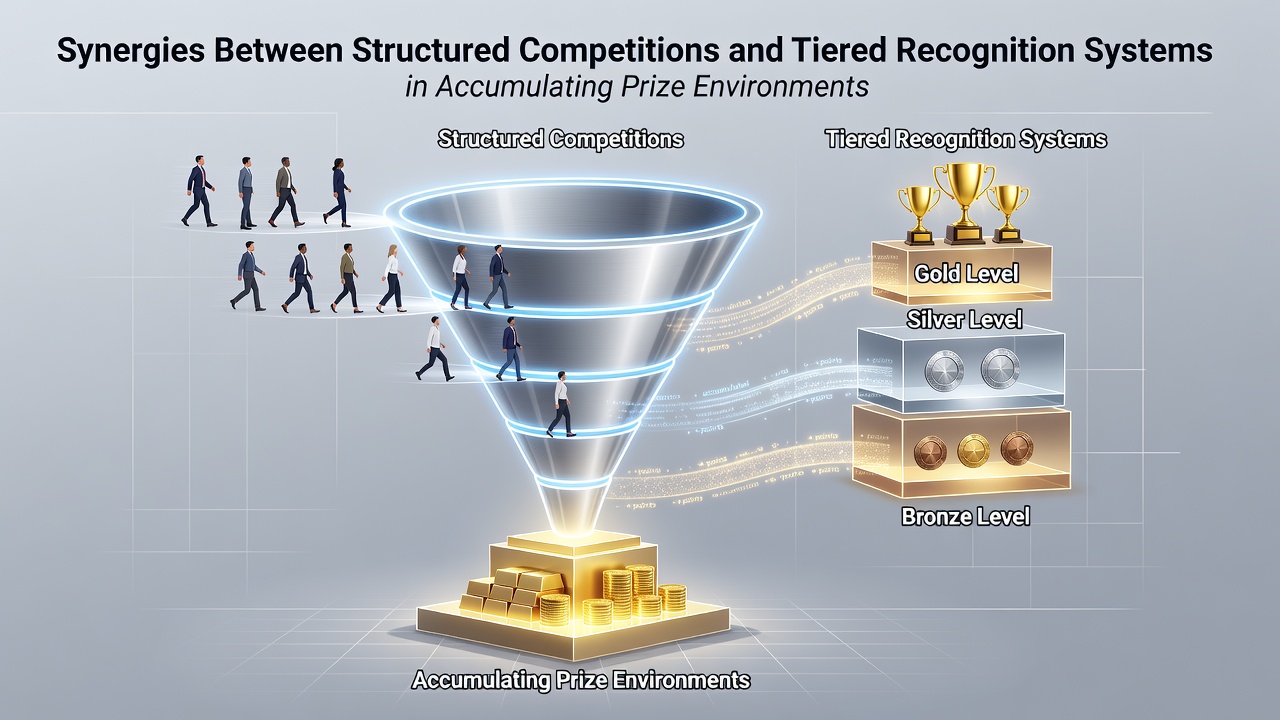
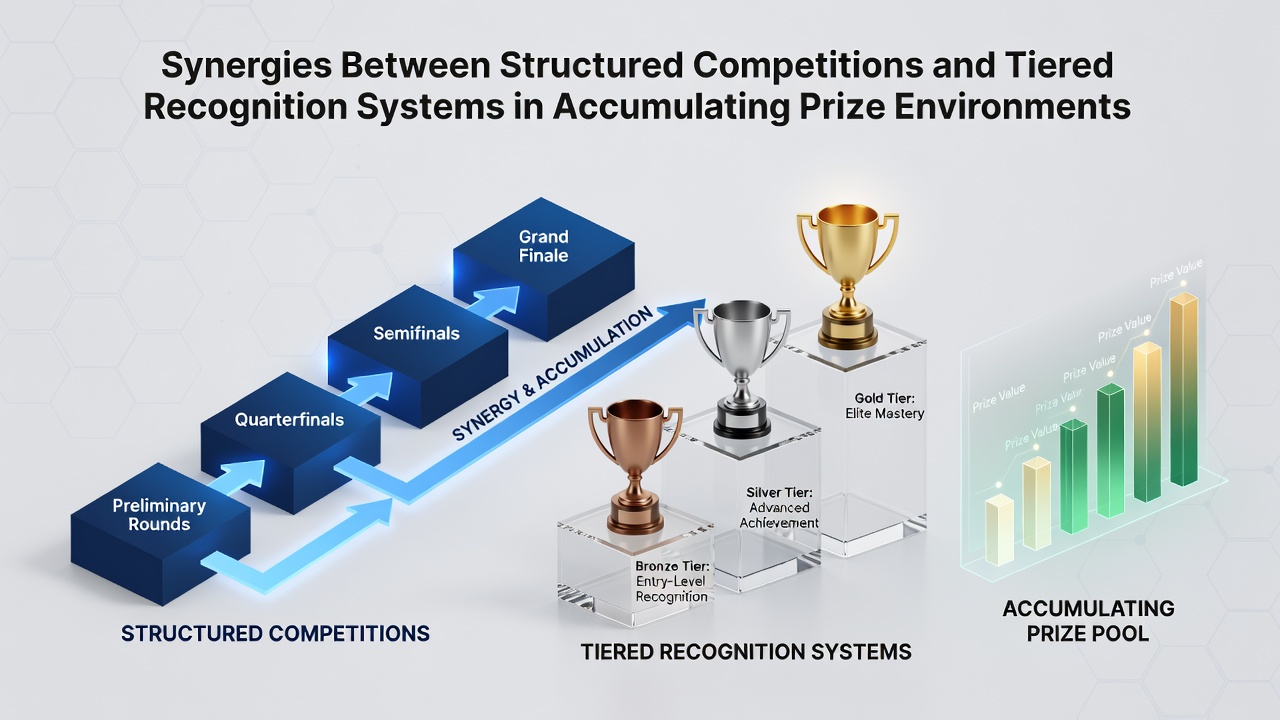
Structured competitions such as tournaments create defined entry points and performance metrics that feed directly into tiered recognition systems, where participants advance through levels that unlock enhanced access to accumulating prize pools. Data from industry reports show these mechanisms operate together when competition results determine tier placement, and tier status in turn modifies prize distribution rules within progressive environments.
Core Mechanics of Structured Competitions
Organized events establish fixed schedules, qualification criteria, and scoring systems that generate measurable outcomes, while accumulating prize environments add contributions from each round or session into a shared pool. Researchers at academic institutions have documented how daily and weekly tournament formats contribute a percentage of entry fees or bets to these pools, creating growth that continues until a winner claims the total. Performance rankings from these events often determine eligibility for higher prize brackets, and the process repeats across multiple cycles.
July 2026 figures released by the New Jersey Division of Gaming Enforcement indicated that tournament-linked prize pools grew by an average of 18 percent month over month when integrated with ongoing accumulation rules. These pools expand because each competition round adds funds before distribution occurs, and the structure prevents immediate depletion by reserving portions for future events.
Tiered Recognition Systems and Their Role
Recognition programs assign participants to graduated levels based on cumulative activity, spending, or competition results, with each level granting different multipliers, entry privileges, or payout percentages from the same prize pools. Industry analyses from the American Gaming Association reveal that higher tiers frequently receive priority access during peak accumulation periods, allowing those participants to compete for larger shares once thresholds are met. The system tracks progress through points earned in both regular play and structured events, so movement between tiers occurs continuously rather than at arbitrary intervals.
Observers note that tier advancement often coincides with competition milestones, creating a feedback loop where successful tournament performance accelerates level increases and unlocks additional accumulation benefits. Reports from Canadian provincial regulators show similar patterns, where loyalty data correlated with tournament participation led to measurable increases in overall pool sizes across monitored sites.
Documented Interactions and Data Patterns
When competition outcomes directly influence tier status, the resulting recognition levels alter how future contributions to prize pools are weighted or distributed. A 2025 study from a university research group tracking multiple gaming jurisdictions found that sites combining both systems recorded higher average pool growth rates than those using either mechanism alone. The study measured pool expansion over twelve-month periods and attributed the difference to the way tier benefits encourage sustained participation that feeds back into accumulation.
Additional findings indicated that participants reaching mid-tier status within three competition cycles contributed 22 percent more to pools than those remaining at entry levels. These contributions occur because tier benefits often include bonus entries or reduced costs that increase overall activity volume, and the extra activity generates further additions to the shared prize totals.
European gambling authorities outside the UK have published comparable statistics showing that integrated systems reduced prize pool stagnation periods by linking recognition upgrades to specific competition achievements. The pattern appears consistent across regions where data collection allows direct comparison of isolated versus combined implementations.
Operational Examples Across Jurisdictions
One documented case involved a North American operator that aligned weekly tournaments with a five-level recognition structure, resulting in pool growth that exceeded prior standalone tournament figures by 31 percent within the first quarter of operation. Advancement through tiers granted additional free entries that increased total participation, and each new entry added to the accumulating total before final distribution. Australian regulatory summaries from the same period reported similar outcomes when tiered benefits were tied to multi-stage competition results rather than time-based accumulation alone.
Another instance tracked by independent analysts showed that recognition levels modified payout percentages from the same pool, with top-tier participants receiving elevated shares while still contributing to future growth through continued activity requirements. The arrangement maintained pool expansion because a portion of every distribution remained allocated to subsequent events.
Conclusion
Evidence from regulatory reports and academic reviews demonstrates that structured competitions supply the measurable performance data required for tier progression, while tiered recognition systems adjust access and weighting rules that affect how accumulating prizes expand and distribute. The interaction produces measurable differences in pool growth rates when both elements operate together, according to data collected across multiple jurisdictions through July 2026. Continued monitoring by government agencies and research organizations will track whether these patterns persist as operators refine integration methods.