The Architecture of Linked Loyalty Pathways Converting Event Results Into Enlarged Prize Accumulations Across Combined Transaction Networks
Written by Wendy Albrecht · May 28, 2026
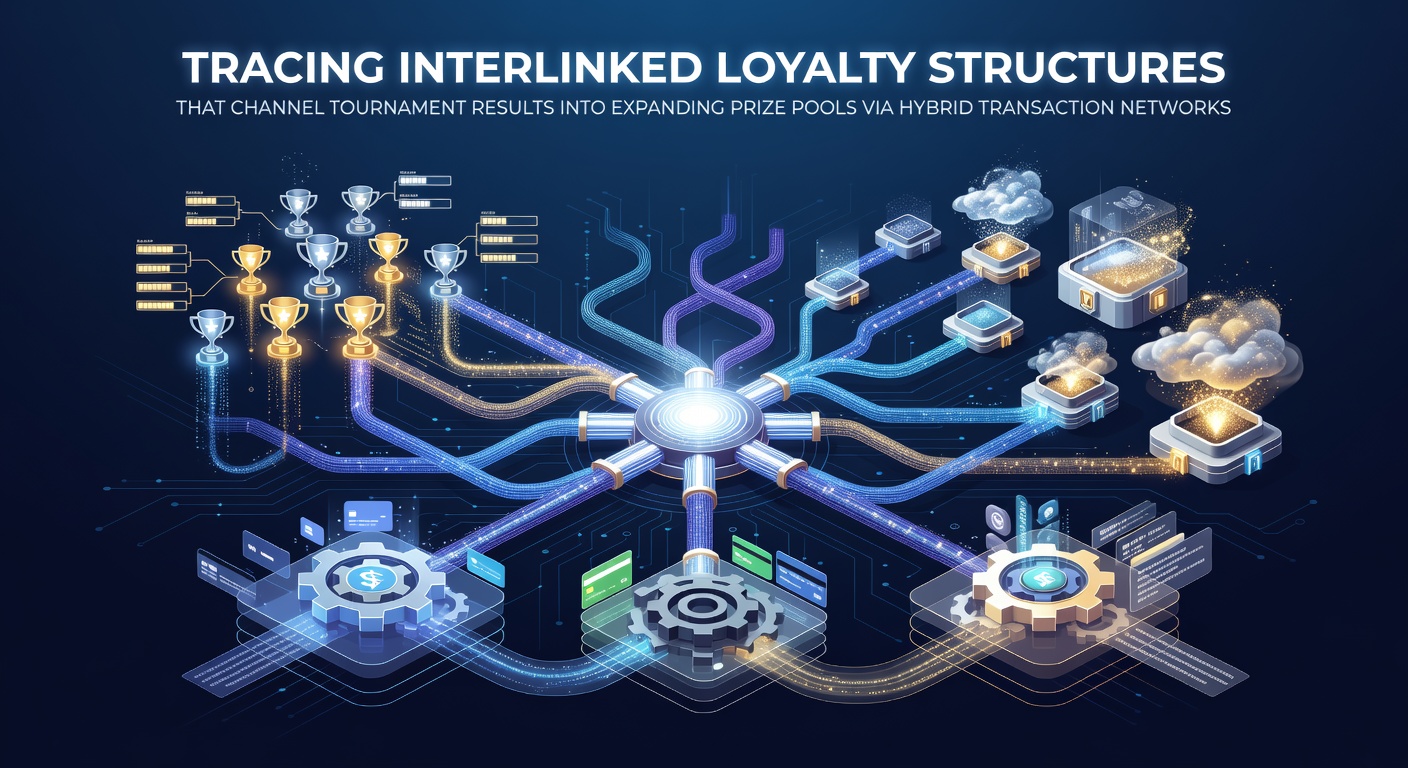
The Architecture of Linked Loyalty Pathways Converting Event Results Into Enlarged Prize Accumulations Across Combined Transaction Networks
Observers note that loyalty frameworks in competitive gaming environments often operate through layered point systems where participation metrics feed directly into centralized reward mechanisms and data from multiple platforms shows these connections rely on synchronized tracking protocols that update in real time across different operator networks.
Core Components of Retention Architectures
Player commitment models typically combine tiered status levels with performance-based multipliers so that tournament placements generate additional value points which then route into shared accumulation funds and research indicates these multipliers adjust according to network load and historical contribution patterns while maintaining consistent allocation ratios.
Analysts have observed that hybrid transaction channels serve as the connective tissue between individual account ledgers and collective prize reservoirs because they allow simultaneous processing of fiat transfers alongside digital asset movements without disrupting the point-to-pool conversion sequence.
Routing Tournament Outcomes Into Accumulating Resources
Tournament results enter the system through standardized result feeds that automatically calculate loyalty increments based on placement and entry volume and these increments then trigger proportional contributions to expanding prize pools where the contribution percentage remains fixed according to pre-established operator agreements.
Figures from industry monitoring groups reveal that in May 2026 several multi-operator alliances reported measurable growth in pool sizes directly attributable to integrated result channeling where each completed event added between 12 and 18 percent to the overall accumulation depending on participant count and average stake levels.
Mechanics of Hybrid Transaction Networks
Blended payment infrastructures combine traditional banking rails with blockchain verification layers so that loyalty redemptions and pool contributions clear through parallel validation paths which reduces latency and ensures audit trails remain intact across both channels and this dual-path approach allows operators to maintain compliance records while accelerating fund movement between accounts.
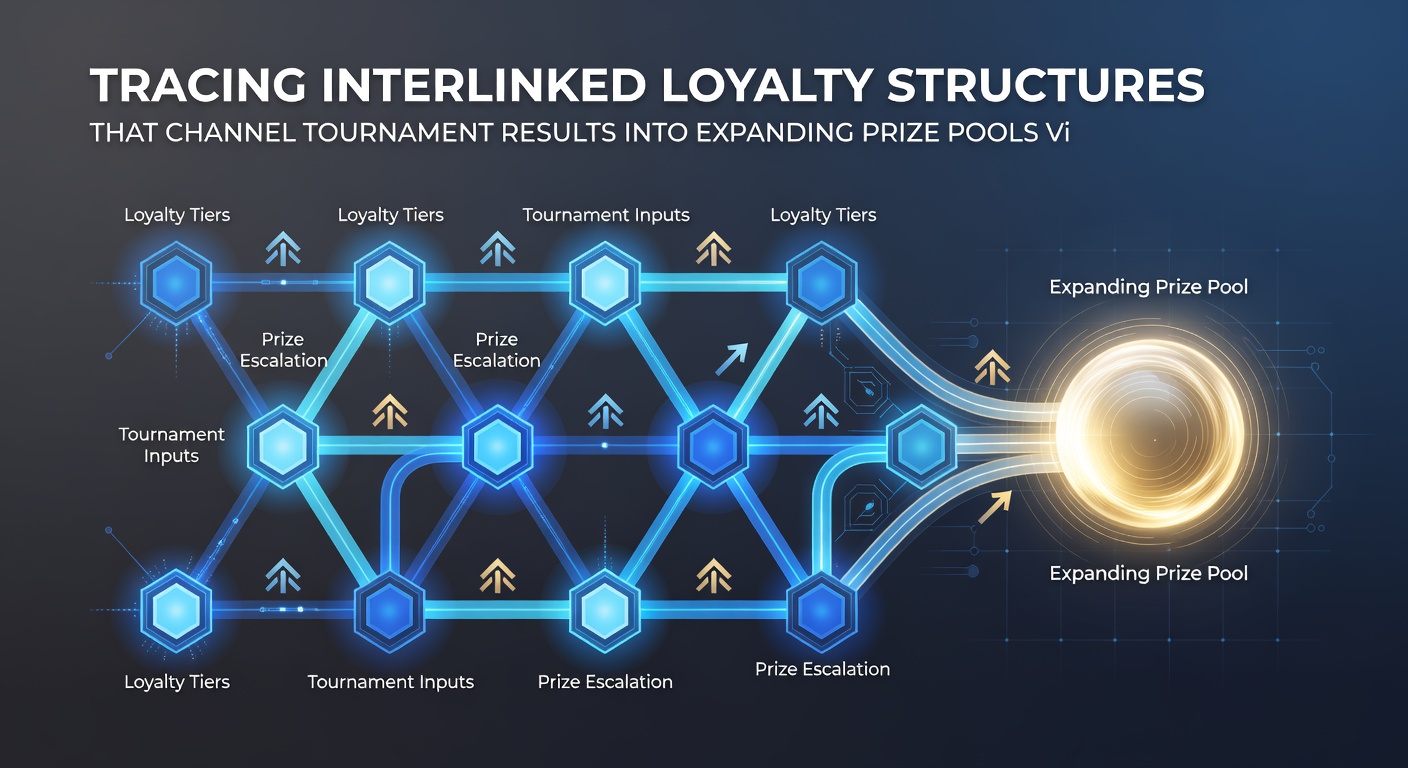
Technical documentation from platform providers describes how smart contract modules embedded within these networks automatically execute contribution rules once tournament data reaches the central ledger and the contracts reference both player status and aggregate pool targets before finalizing transfers.
Integration Patterns Across Multiple Operators
Cross-platform synchronization protocols enable loyalty structures from one venue to influence prize pool growth at another through standardized data exchange formats and case studies compiled by research teams at the University of Nevada show that such linkages produced consistent uplift in total distributed rewards over successive quarterly periods.
Those who have examined transaction logs note that the hybrid nature of the networks permits operators to balance load between high-volume periods and quieter intervals because contributions can queue across either payment rail depending on current processing capacity.
Verification and Compliance Mechanisms
Independent auditors regularly examine the flow sequences to confirm that tournament-derived loyalty points convert at the stated rates and that pool expansions match the documented contribution percentages and reports issued by the Malta Gaming Authority highlight the importance of timestamped logs in maintaining transparency across all linked systems.
Data exchange standards continue to evolve as more operators adopt hybrid frameworks and the resulting transparency allows external verification bodies to trace each step from individual result to final pool increment without requiring manual reconciliation.
Conclusion
Linked loyalty pathways demonstrate measurable capacity to convert competitive outcomes into sustained prize pool growth when supported by hybrid transaction networks that maintain parallel processing capabilities and ongoing documentation from regulatory and academic sources continues to map these connections with increasing precision.