Slot Tournaments Bridge Progressive Jackpot Pools to Mobile Interfaces and Multi-Level Incentive Systems
Written by Wendy Albrecht · Aug 20, 2026
Slot Tournaments Bridge Progressive Jackpot Pools to Mobile Interfaces and Multi-Level Incentive Systems
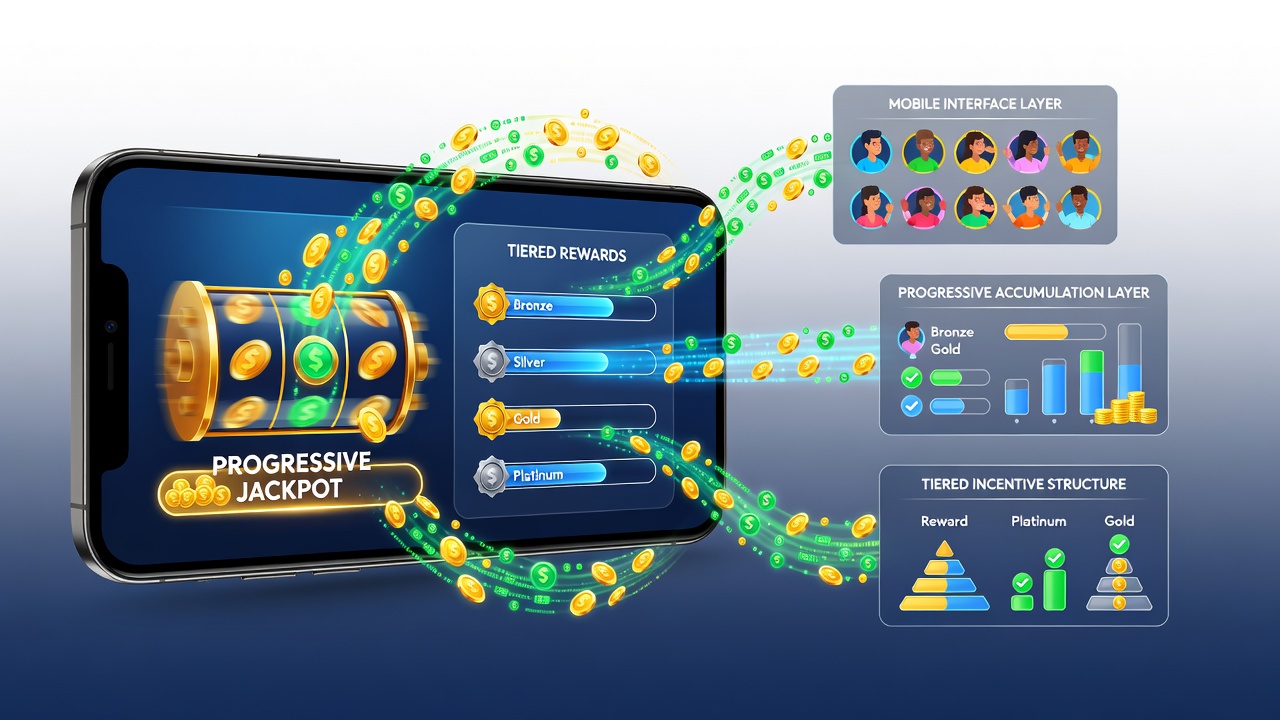
Slot competitions route progressive accumulations through structured entry mechanisms that feed directly into mobile interfaces while layering incentive programs across player tiers, and operators track these flows through real-time data systems that update both jackpot meters and reward ladders simultaneously. In August 2026 several platforms reported integrated tournament modules where a percentage of each wager contributes to shared progressive pools visible on handheld devices, with participants advancing through bronze, silver, gold, and platinum brackets that unlock escalating multipliers and bonus allocations.
Mechanics Linking Tournaments to Progressive Pools
Competitive events collect fixed portions of bets into centralized progressive funds that grow across multiple sessions, and these funds appear on mobile dashboards updated every few seconds through synchronized APIs. Researchers at the University of Nevada Reno documented how tournament software allocates 2 to 5 percent of qualifying wagers into separate prize tiers while the main progressive meter continues to climb independently, creating parallel accumulation tracks that converge during final rounds. Players enter daily or weekly events by meeting minimum spin thresholds, after which their activity increments both personal leaderboards and the overarching jackpot total displayed in the app interface.
Data from the Nevada Gaming Control Board shows tournament-linked progressives reached average pool sizes exceeding 1.2 million dollars in monitored jurisdictions during the first half of 2026, with mobile sessions accounting for 68 percent of contributions. Systems route these accumulations so that leaderboard positions determine how much of the pool a player can claim, yet the underlying meter remains visible to non-participants as well, sustaining broader engagement.
Mobile Interface Design and Real-Time Updates
Developers embed progressive meters and tournament leaderboards into single-screen layouts that adapt to portrait and landscape orientations, allowing users to monitor pool growth, rank movement, and tier progress without switching applications. Push notifications alert participants when their position shifts within a bracket or when a progressive threshold approaches payout triggers, and these alerts link directly to deposit or spin interfaces to maintain momentum. Industry reports from the Australian Communications and Media Authority indicate that streamlined mobile pathways increased average session duration by 22 percent in regions where such integrations launched before mid-2026.
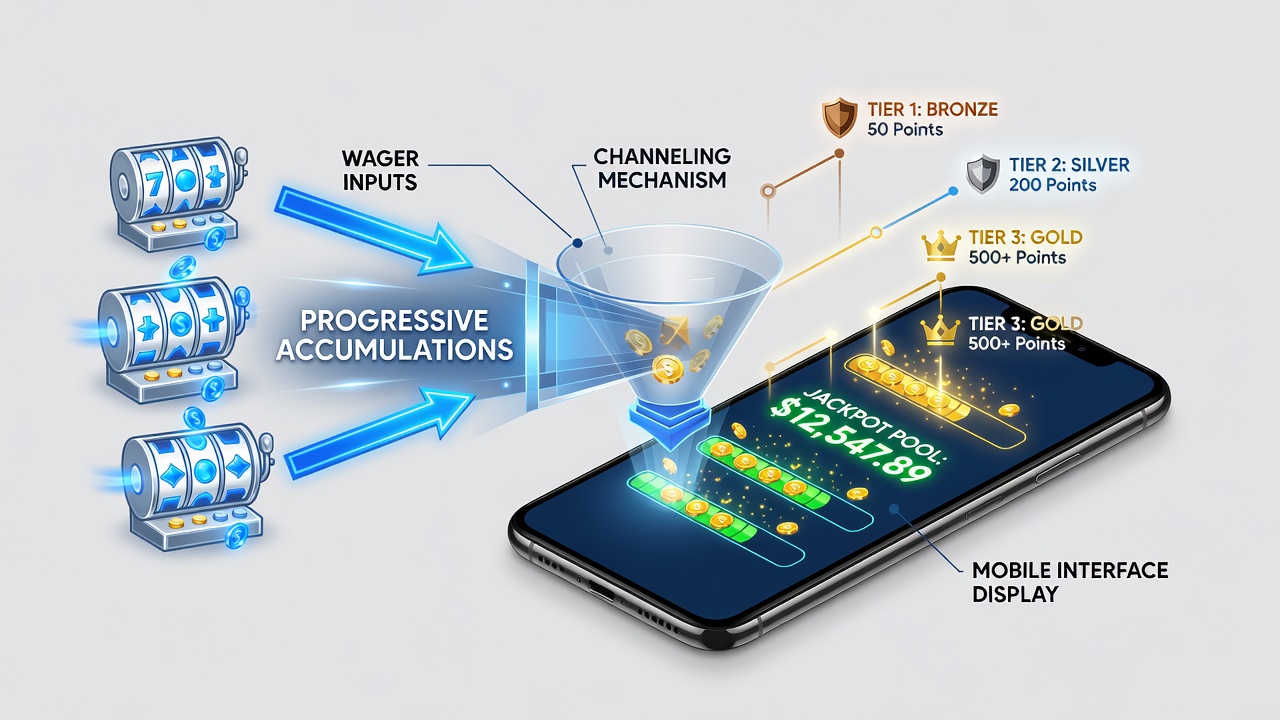
Navigation menus organize sections for current tournaments, historical results, and personal incentive ladders, while swipe gestures reveal detailed breakdowns of how individual wagers feed the progressive total. Color-coded progress bars indicate proximity to the next tier threshold, and these visual cues update alongside the jackpot figure so participants see both collective growth and personal advancement in one view.
Tiered Incentive Structures and Reward Allocation
Multi-level programs assign players to brackets based on cumulative tournament points or deposit volume, with each tier granting higher percentages of progressive contributions returned as personalized bonuses or free-spin packages. Lower tiers receive standard leaderboard prizes, whereas platinum participants access accelerated payout schedules and exclusive progressive slices that operators reserve for top brackets. Case studies compiled by the Canadian Gaming Association reveal that tiered models retained 41 percent more active users over six-month periods compared with flat reward systems, because the visible path from one level to the next encourages continued participation.
Operators calibrate the size of tier-specific rewards against the overall progressive pool so that higher brackets receive larger absolute returns without depleting the shared meter. Automated systems recalculate eligibility nightly, moving players between tiers according to rolling activity windows, and these adjustments appear instantly on mobile profiles so users understand their current standing and upcoming opportunities.
Regulatory Context and Implementation Patterns
Frameworks in multiple jurisdictions require transparent disclosure of how tournament entries affect progressive totals and how tier benefits are funded, prompting operators to publish clear allocation percentages within app terms. European regulators outside the UK have begun reviewing similar disclosure standards, and early compliance filings indicate that explicit metering of contributions helps maintain player trust across mobile platforms. Implementation timelines accelerated in August 2026 as new software updates enabled simultaneous tracking of progressives, tournament scores, and tier status within unified databases.
Conclusion
Slot competitions therefore serve as conduits that direct portions of progressive accumulations into mobile displays while structuring incentives across distinct player tiers, and the resulting architecture relies on synchronized data feeds, adaptive interfaces, and calibrated reward ladders. Observers continue to monitor how these integrated systems evolve under ongoing regulatory scrutiny and shifting player preferences across global markets.