Payment Networks Transform Participation in Multi-Platform Prize Events adn Loyalty Programs
Written by Wendy Albrecht · Jun 18, 2026
Payment Networks Transform Participation in Multi-Platform Prize Events adn Loyalty Programs
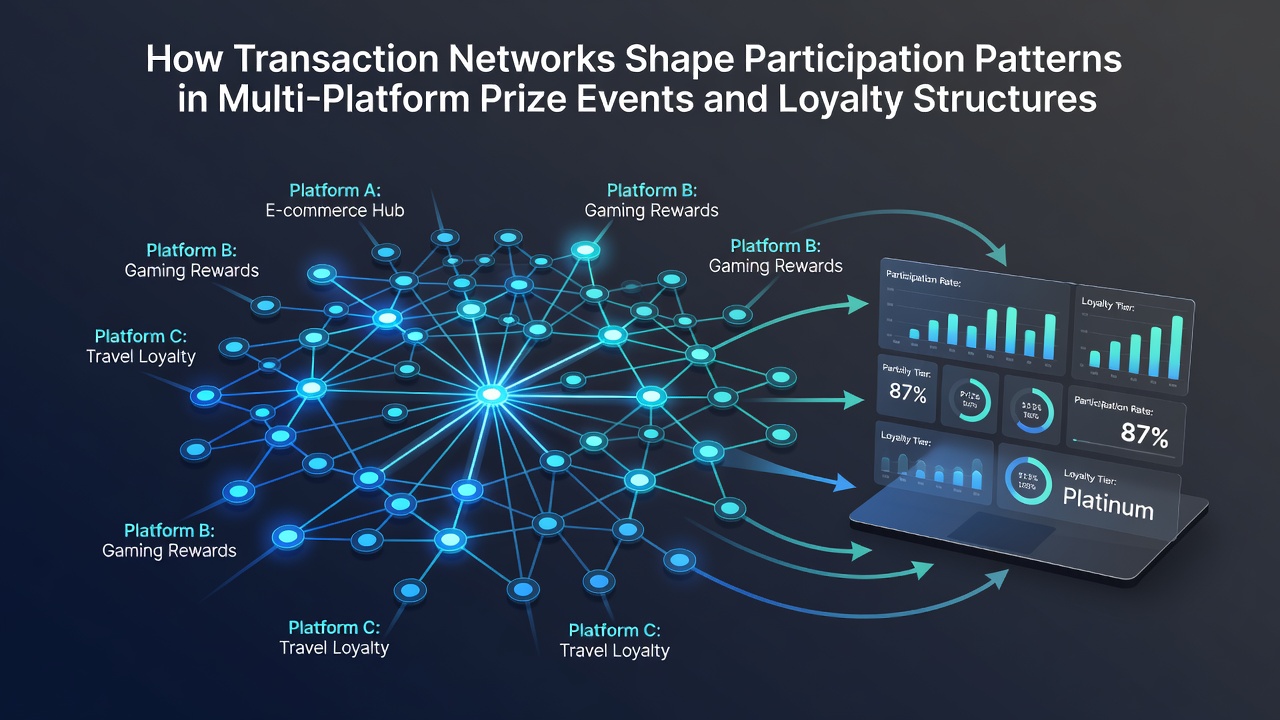
Transaction networks form the backbone that connects deposits, withdrawals, and reward tracking across different gaming platforms, and these systems directly influence how participants engage with prize events such as tournaments and progressive competitions. Data from payment processors shows that platforms using integrated gateways experience higher rates of cross-event participation because players can move funds instantly without separate account verifications for each site. Researchers tracking user behavior note that seamless transaction flows encourage repeat entries into daily drops and multi-platform leaderboards, whereas fragmented payment setups lead to drop-offs after initial attempts. Observers point out that loyalty structures benefit when transaction data feeds directly into tier progression algorithms. A player completing a deposit through a unified network accumulates points that apply across affiliated platforms, which in turn unlocks VIP cashouts and bonus multipliers tied to tournament performance. Studies from research institutions indicate that such linked systems increase session frequency by streamlining the path from deposit to reward redemption.Mechanics of Transaction Integration in Prize Events
Digital wallets and instant transfer protocols allow participants to enter prize pools on mobile applications and desktop interfaces without re-entering banking details. This connectivity supports simultaneous tracking of progressive jackpots that build across several operators, creating unified prize pools visible in real time. In June 2026 reports from North American gaming regulators highlighted that states with standardized payment APIs saw tournament registration volumes rise compared to regions relying on isolated processing methods.
Payment networks also shape entry patterns by enabling micro-transactions that fund smaller tournament buy-ins while accumulating loyalty credits. Those who've examined participation logs find that users who rely on single-sign-on payment solutions tend to join more events per week than those navigating multiple checkout flows. The result appears in aggregated data where average player lifetime value climbs when networks reduce friction between platforms.
Loyalty Structures Linked Through Shared Networks
Loyalty programs gain precision when transaction histories flow into centralized databases that calculate tier status across brands. Points earned from spins on one platform transfer automatically to another, which accelerates qualification for exclusive events and cashback tiers. Industry analyses from trade groups reveal that operators adopting these shared networks retain participants longer because reward visibility stays consistent regardless of the entry point.
Case examples include programs where VIP lanes open once cumulative deposits hit thresholds tracked by the network rather than individual sites. This approach reduces administrative delays and lets players focus on event outcomes instead of account management. Figures from European payment compliance studies show corresponding upticks in multi-platform activity once such integrations reach full deployment.
Regional Variations in Network Adoption
Adoption rates differ by jurisdiction, with Australian regulatory frameworks requiring real-time reporting of transaction-linked participation metrics since early 2025. Canadian provincial authorities have tested similar requirements, finding that standardized reporting helps identify patterns in how loyalty redemptions correlate with tournament entries. These regional experiments provide datasets that academic teams at institutions such as the University of Nevada continue to analyze for broader trends in player movement.
Meanwhile, payment providers in Asia-Pacific markets have introduced region-specific gateways that handle currency conversions within the same transaction session. Participants using these tools show elevated rates of joining international prize events because conversion fees and delays drop away. Data shared by the American Gaming Association underscores that network reliability remains a leading factor in sustained engagement across loyalty tiers.
Future Tracking and Compliance Considerations
Regulators continue to refine rules around data sharing within transaction networks to balance player privacy with accurate loyalty calculations. Automated reconciliation systems now flag unusual participation spikes that might indicate network manipulation attempts, protecting the integrity of prize distributions. Those monitoring compliance note that platforms investing in robust audit trails experience fewer disputes during payout verification phases.
Conclusion
Transaction networks continue to define how participants navigate prize events and loyalty frameworks by reducing barriers and unifying reward tracking. Patterns observed across multiple markets confirm that integrated payment flows support higher volumes of cross-platform activity while maintaining transparent records for regulatory review. As infrastructure evolves, these systems will likely determine which operators sustain long-term player involvement in competitive events and tiered reward programs.