Payment Networks Accelerate Progressive Jackpot Expansion Through Tournament Structures and Reward Systems
Written by Clara Washington · Jul 2, 2026
Payment Networks Accelerate Progressive Jackpot Expansion Through Tournament Structures and Reward Systems
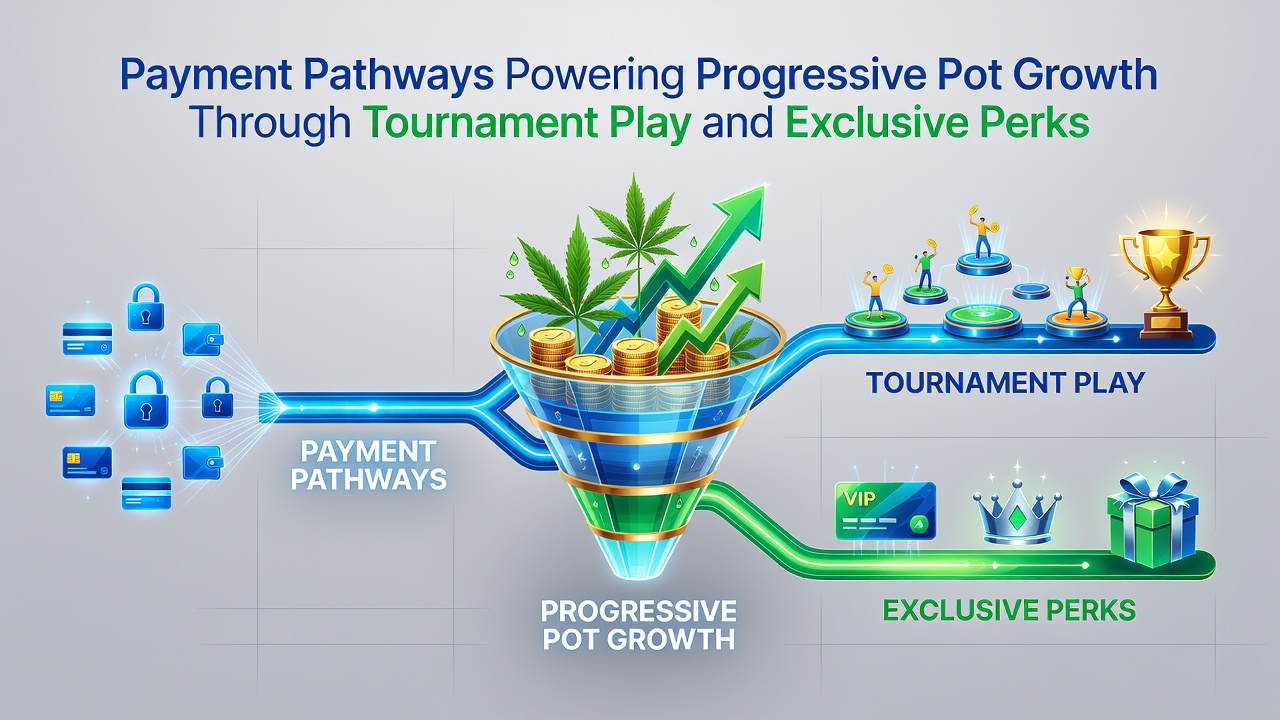
Payment systems now form the backbone that connects player transactions directly to growing progressive prize pools and competitive tournament formats. Data from multiple markets indicates that operators using faster settlement technologies report higher participation rates in events where contributions to shared jackpots accumulate across thousands of spins each hour. These networks handle deposits and withdrawals in seconds rather than minutes, which allows prize meters to update continuously while players move between base games and leaderboard challenges without interruption. Observers note that integrated gateways also streamline the distribution of exclusive tiered rewards. When loyalty points convert instantly into bonus credits or cashback, participants remain engaged longer in formats that feed additional revenue into progressive structures. Figures from North American gaming reports reveal that platforms employing real-time reconciliation tools experienced measurable increases in average session length during multi-day tournament windows throughout early 2026.Mechanics Linking Transactions to Shared Prize Pools
Modern payment rails operate by tagging each qualifying wager with metadata that routes a percentage directly into progressive reservoirs. This process occurs at the moment of the bet rather than in batch settlements, which reduces lag between player action and pot growth. Researchers tracking system performance across European and Australian jurisdictions found that sub-second authorization times correlated with steadier meter climbs during peak tournament hours.
Operators that adopted multi-currency instant transfer protocols expanded their reach to players in regions where traditional banking delays previously limited entry into high-stakes events. One documented implementation in Canada showed a 22 percent rise in cross-border tournament sign-ups after the introduction of localized e-wallet options that settled within the same minute.
Tournament Formats and Their Dependence on Seamless Funding
Daily and weekly competitions rely on rapid buy-in processing to populate leaderboards before timers expire. When deposits clear immediately, players can join mid-event without missing rounds that contribute to the main progressive total. Industry data collected by the American Gaming Association highlights that sites offering one-click tournament entry through stored payment credentials maintain higher completion rates than those requiring repeated manual authorization steps.
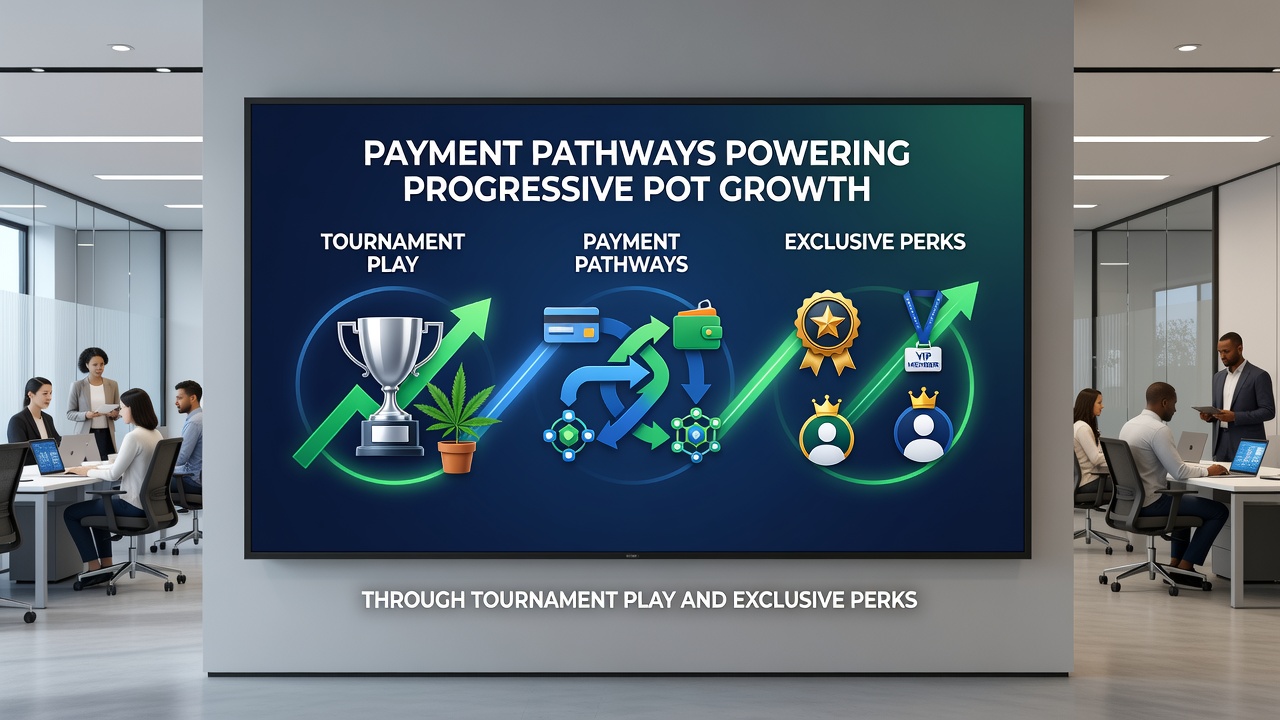
Exclusive perks such as priority seating in VIP brackets or accelerated point multipliers activate automatically once payment confirmation reaches the backend. This automation prevents the common friction where reward unlocks lag behind actual play, which previously caused some participants to disengage before the next progressive increment occurred. Studies from research groups in Australia indicate that programs tying perk delivery to transaction timestamps recorded improved retention metrics across successive tournament cycles in the first half of 2026.
Global Regulatory Context and Technology Adoption
Regulators outside the United Kingdom continue to evaluate frameworks that support faster payment verification while maintaining responsible play safeguards. In Nevada, updated technical standards effective July 2026 emphasize audit trails that link every progressive contribution to verified player accounts through secure channels. Similar guidelines under consideration in several Australian states focus on ensuring that exclusive perk systems remain transparent and traceable to individual transaction records.
Academic analyses from university-led gaming research centers have examined how these payment integrations affect jackpot velocity. One paper published in 2025 documented that networks capable of handling micro-transactions at scale produced more frequent but smaller progressive increments, which in turn sustained player interest across longer tournament durations.
Future Trajectories for Integrated Systems
Developments in embedded finance tools suggest that operators will soon embed payment functions inside tournament interfaces themselves. This would allow players to adjust stake levels or claim perk bundles without leaving the active game window. Early trials in select North American markets showed that such embedding reduced drop-off rates between rounds by maintaining continuous connection to the underlying progressive meters.
Cross-border compliance remains an area of active refinement. Payment providers that maintain separate ledgers for different jurisdictions enable operators to comply with varying tax and reporting requirements while still feeding unified progressive pools that draw from international player bases. Data released by the Canadian Gaming Association in mid-2026 confirmed steady growth in multi-jurisdictional tournament volumes supported by these segmented yet interoperable rails.
Conclusion
Payment infrastructure continues to underpin the expansion of progressive jackpots by enabling uninterrupted contributions during tournament play and the timely delivery of exclusive rewards. As technology standards evolve across major markets, the capacity of these networks to support real-time accounting and cross-platform access determines how quickly prize pools grow and how effectively loyalty systems retain participants. Observers tracking industry metrics expect further refinements in transaction speed and verification protocols to sustain the current trajectory of integrated tournament and perk ecosystems through the remainder of 2026 and beyond.