Linking Competitive Play, Growing Reward Systems, and Loyalty Hierarchies in Digital Entertainment Venues
Written by Wendy Albrecht · Aug 15, 2026
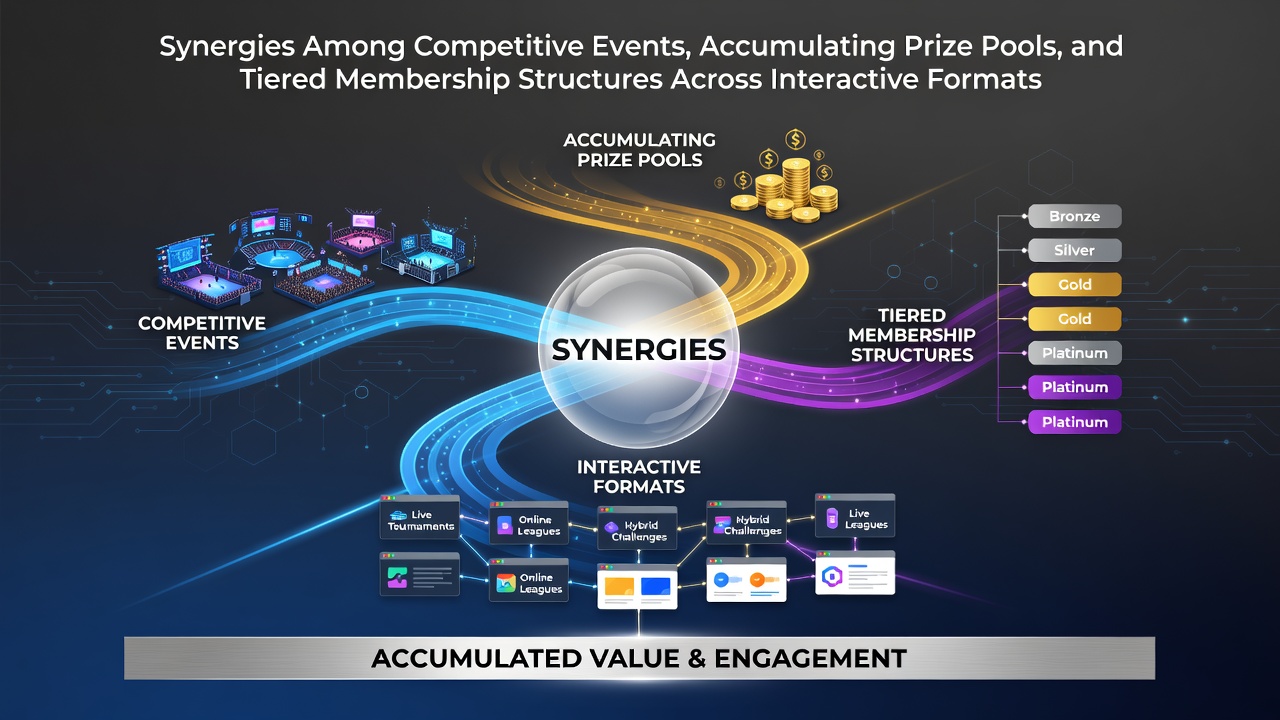
Linking Competitive Play, Growing Reward Systems, and Loyalty Hierarchies in Digital Entertainment Venues
Competitive events in interactive gaming platforms operate alongside accumulating prize pools and tiered membership structures to create integrated participation cycles, according to industry analyses from multiple regions. Data from the American Gaming Association indicates that tournament entries feed directly into shared reward mechanisms, where player contributions expand available funds across sessions that run on mobile applications, desktop interfaces, and live-streamed environments. Observers note that these elements connect through participation tracking systems that adjust access levels based on activity volume rather than isolated performance metrics.
Mechanics of Competitive Events in Multi-Format Settings
Tournaments across interactive formats register participants through unified accounts that carry over between mobile sessions and live dealer tables, allowing points earned in one setting to qualify users for events in another. Research from the University of Nevada, Las Vegas shows that bracket structures often incorporate daily or weekly resets while maintaining cumulative leaderboards that span several weeks. Those who track participation patterns find that elimination rounds frequently incorporate randomized qualifiers drawn from broader player pools, which increases entry diversity without altering core prize calculations.
Prize Pool Accumulation Processes
Prize pools build through percentage-based contributions from entry fees and side bets that operators allocate automatically upon each completed round. Figures released in August 2026 by the Nevada Gaming Control Board reveal steady growth rates in pooled funds when cross-format linkages allow mobile users to add to the same reserves accessed by live event participants. Accumulation continues uninterrupted because systems log contributions in real time, and minimum thresholds trigger automatic notifications that draw additional entrants from existing membership databases.
But here's the thing: the rate of growth depends on the number of active formats rather than any single channel, which means platforms that support simultaneous mobile and desktop entries record faster pool expansion than those limited to one interface. Studies from the European Gaming and Betting Association document that rollover requirements tied to accumulated amounts influence how quickly funds reach publicized target levels, yet the underlying addition process remains consistent across regions.
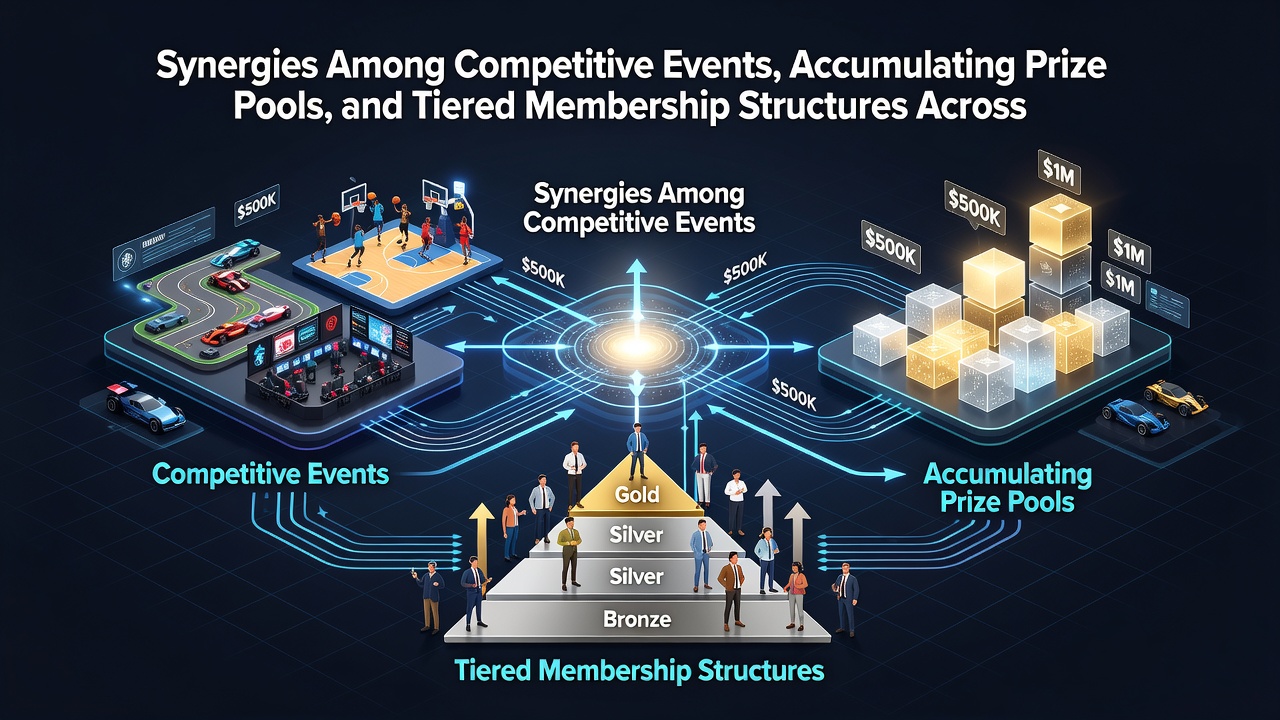
Tiered Membership Structures and Access Gradients
Membership tiers function as layered access frameworks that grant incremental advantages such as reduced entry costs for competitive events or priority placement in prize distribution sequences. Data indicates that advancement between tiers occurs through tracked metrics including total participation hours and contribution amounts to shared pools, with higher levels unlocking direct links to larger accumulated reserves. Those who've examined operational reports note that tier resets occur annually in many systems while accumulated benefits carry forward in the form of status multipliers applied to future tournament scoring.
What's interesting is how these tiers interact with format variety: mobile users at elevated levels often receive expedited processing for live event registrations, whereas lower tiers maintain standard queues that still feed into the same prize mechanisms. A report compiled by the Canadian Gaming Association outlines that such gradients encourage sustained engagement because progression remains visible through dashboard displays that update after each session regardless of the interface used.
Observed Synergies Across Interactive Formats
Connections between competitive events, prize pools, and membership tiers become evident when participation in one area directly modifies parameters in the others. For instance, tournament results can accelerate tier advancement, which in turn applies multipliers to future contributions toward accumulating funds. Evidence from multiple platform audits demonstrates that cross-format synchronization reduces friction in reward claiming, allowing points or credits earned on mobile devices to apply automatically during live sessions without separate verification steps.
Turns out the integration also affects pool visibility, since tiered users gain early access to projected totals that incorporate entries from all supported formats. Researchers at academic institutions studying digital entertainment economies have recorded that these linkages produce measurable increases in overall activity levels when systems present unified progress indicators rather than format-specific ones. And in August 2026, several North American operators implemented updated tracking protocols that further aligned these components, resulting in documented rises in cross-platform session continuity according to internal metrics shared with regulatory bodies.
Conclusion
The documented interactions among competitive structures, accumulating reward mechanisms, and membership gradients illustrate how interactive gaming platforms coordinate multiple participation pathways. Information from regulatory and academic sources across North America and Europe confirms that these components operate through shared data frameworks that maintain consistency regardless of the entry point chosen by participants. Continued monitoring of these systems shows ongoing refinement in how contributions, qualifications, and access levels align to support sustained platform usage.