Layered Rewards Systems Fuel Event Victories in Digital Reel Platforms
Written by Rafael Keller · Jul 18, 2026
Layered Rewards Systems Fuel Event Victories in Digital Reel Platforms
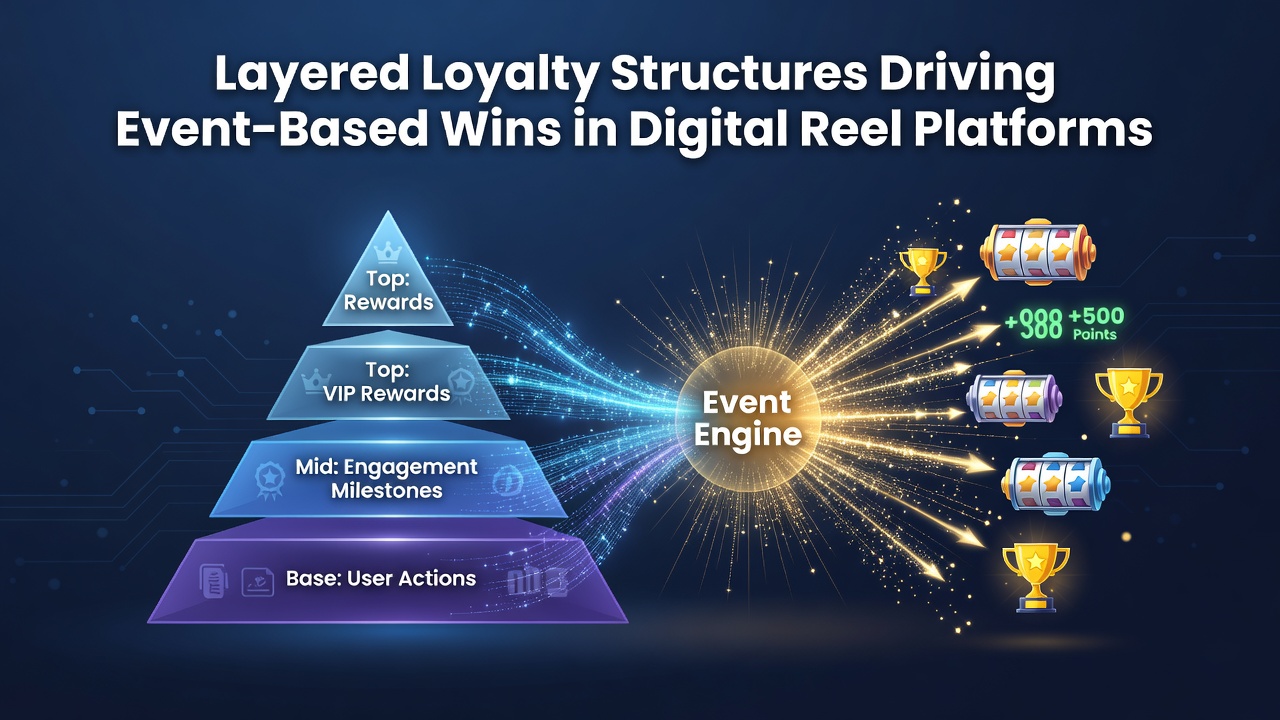
Digital reel platforms have integrated multi-level loyalty frameworks that connect directly to timed events such as daily prize drops and tournament brackets, and data from industry trackers shows these structures increase participation rates in event-based features across multiple operator sites. Players advance through defined tiers based on accumulated activity points, and each level unlocks specific access points to progressive pools or spin multipliers tied to calendar events rather than standard play cycles.
Mechanics Behind Tier Progression
Operators define four or five distinct membership layers where movement between levels depends on tracked metrics including total wagers placed and frequency of sessions within rolling periods, and advancement grants immediate entry to exclusive event queues that run on fixed schedules. The lowest tier typically provides baseline notifications for upcoming drops while mid-levels add deposit-linked multipliers that apply only during those windows, and top tiers incorporate personalized brackets that feed into larger shared pots. Research from the Australian Gambling Research Centre indicates that platforms using these segmented access rules report higher retention during event periods compared with flat reward models.
Event triggers operate on independent timers separate from the loyalty accrual clock, which means a player who reaches a new tier mid-month gains retroactive eligibility for remaining drops without resetting their point balance. Systems record each interaction in centralized ledgers that feed both the tier engine and the event scheduler simultaneously, and this dual-purpose data flow reduces latency between qualification and reward distribution. Observers note that synchronization prevents the common mismatch where players unlock benefits after an event window closes.
Event Categories Linked to Loyalty Layers
Daily drops represent the most frequent event type, and these releases allocate fixed prize pools that scale according to the aggregate tier level of participating accounts on a given day. Tournament formats run weekly or monthly and divide entrants into brackets determined by current loyalty standing, which ensures that higher tiers compete within pools that carry elevated entry thresholds and correspondingly larger payouts. Progressive elements build continuously but release segments at event checkpoints, and loyalty status determines how many segments a player may claim per cycle.
Platforms also schedule flash campaigns that combine multiple event types, and tier status governs which combination a player may join. One documented case involved a North American operator that layered a progressive release onto a tournament bracket where only gold-tier accounts could access the combined structure, and participation logs showed concentrated activity from those accounts during the overlap period. The American Gaming Association has published aggregate figures revealing that operators employing tier-gated events maintain steadier revenue curves across promotional windows than those relying on unsegmented bonuses.
Integration With Payment and Session Data
Payment gateways feed real-time transaction records into the loyalty calculation engine, and deposits made during active event periods receive automatic tier-based boosts that apply to the next eligible drop or bracket. Session length and device type contribute secondary weighting factors that accelerate point accumulation for mobile users who maintain longer continuous play streaks. This layered input model allows the system to differentiate between casual and committed activity without requiring separate tracking streams.
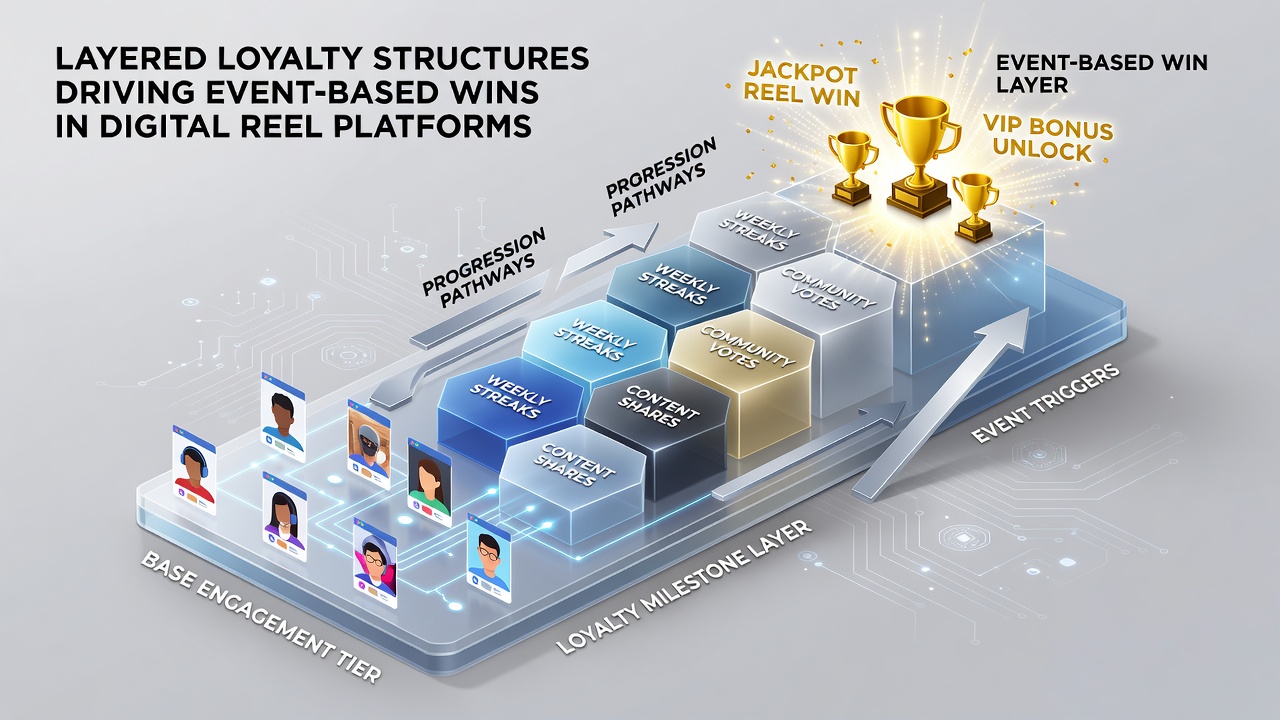
Developers have refined the underlying algorithms to weigh recent activity more heavily than historical totals, which keeps players engaged with current events rather than resting on prior achievements. The weighting formula applies decay curves to older data points so that a player must sustain momentum to retain higher-tier privileges across successive event cycles. Canadian regulatory filings from provincial gaming authorities document similar tier-refresh mechanisms that correlate with increased event uptake in licensed digital environments.
Cross-Platform Visibility and Notification Flows
Push systems deliver tier status updates and upcoming event alerts through unified in-app centers that also display projected reward values based on current standing. Players receive segmented messaging calibrated to their layer, and lower tiers see simplified prompts while higher tiers receive detailed probability breakdowns for linked progressives. This differentiated communication reduces notification fatigue while maintaining visibility for those most likely to convert eligibility into participation.
Backend reconciliation occurs at event closeout when the system matches final tier positions against recorded entries and distributes shares according to pre-set allocation tables. Automated audits verify that no account received benefits outside its verified tier range, and discrepancies trigger manual review queues that resolve within operational windows. European industry reports compiled by trade associations highlight that such verification layers have become standard practice among operators managing large-scale event calendars.
Conclusion
Layered loyalty structures continue to serve as the connective tissue between routine play and scheduled events on digital reel platforms, and the data infrastructure supporting tier progression remains tightly coupled to event scheduling engines. As operators refine weighting formulas and notification precision, the linkage between membership level and event access grows more granular without altering the fundamental separation between accrual periods and release windows. External analyses from multiple jurisdictions confirm that these integrated systems sustain participation across successive event cycles when properly synchronized with payment and session records.