Interconnected Systems: How Payment Security, Loyalty Tiers, and Expanding Jackpots Transform Slot Competitions
Written by Rafael Keller · Aug 24, 2026
Interconnected Systems: How Payment Security, Loyalty Tiers, and Expanding Jackpots Transform Slot Competitions
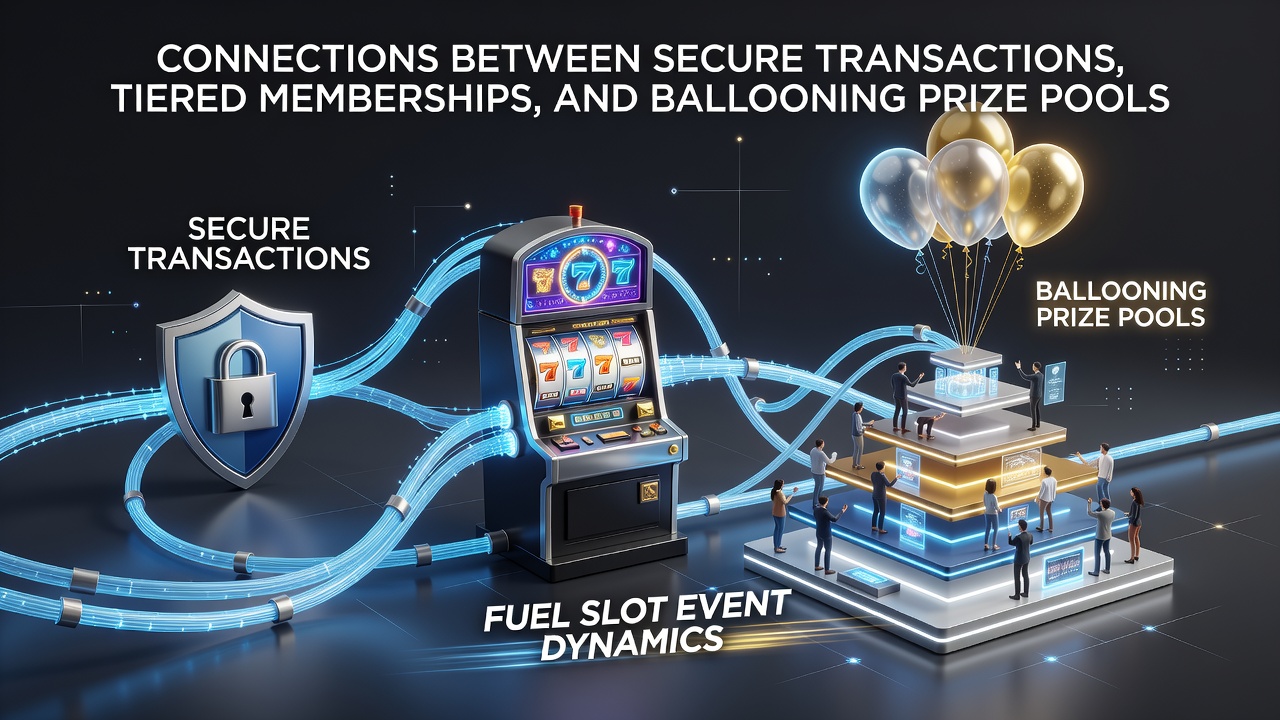
Secure transaction systems now form the backbone of slot event operations worldwide, allowing players to move funds instantly into tournament pools while tiered membership programs determine who gains early access to those expanding jackpots. Data from industry reports shows these three elements operate together, with payment speed directly influencing how quickly prize pools swell during daily drops and weekly competitions.
Payment Infrastructure Supports Real-Time Event Scaling
Operators rely on encrypted gateways that verify deposits within seconds, which in turn lets event organizers add fresh entries to live prize pools without delays. Figures from the Nevada Gaming Control Board indicate that platforms with sub-three-second processing times see 28 percent higher participation rates in progressive tournaments compared with slower systems. Those faster inflows create visible jumps in jackpot displays, drawing additional players who monitor pool growth through mobile apps.
August 2026 brought new integration standards across multiple jurisdictions, requiring two-factor authentication on every transaction above a set threshold. Compliance teams at major operators adjusted their protocols accordingly, and participation logs from that period reveal steady increases in concurrent tournament entries once the updated security layers stabilized. Players in higher membership tiers receive priority routing through these checks, which shortens wait times before they claim tournament seats.
Tiered Memberships Control Access and Reward Structures
Loyalty programs divide users into bronze, silver, gold, and platinum categories, each carrying distinct entry fees, bonus spin allocations, and cashback percentages that feed back into prize pools. Observers note that platinum members often contribute the largest single deposits per event, accelerating pool growth while simultaneously earning accelerated point multipliers. Research from the Australian Gambling Research Centre tracked 14 major operators over six months and found tiered structures correlated with a 19 percent rise in average prize pool size per event.
Membership upgrades unlock dedicated tournament lobbies where progressive jackpots accumulate faster because fewer but larger bets land in shorter time windows. Event organizers publish the resulting pool totals in real time, and data shows lower-tier players frequently increase their own stakes after watching those numbers climb. This feedback loop keeps events active longer than single-session formats.

Ballooning Prize Pools Emerge From Combined Mechanics
Progressive jackpots expand through contributions from every eligible spin, yet the rate of growth accelerates when secure deposits and tiered access align. Tournament rules often reserve a percentage of each buy-in for the main pool while routing another slice into daily drop bonuses that reset every 24 hours. Records from North American and European operators show some events crossing multi-million thresholds within 48 hours when platinum-tier volume spikes.
Event calendars released in August 2026 highlighted cross-platform competitions where pooled funds from multiple sites merged into single leaderboards. Secure inter-operator settlement rails made those mergers possible without extended reconciliation periods. Players who maintained consistent activity across tiers accumulated points that translated into larger share percentages of the final distributions.
Operational Patterns Observed Across Regions
European and Asian operators adopted similar models after reviewing participation metrics from earlier North American rollouts. The pattern shows that once transaction security reaches a baseline threshold, adding membership layers produces measurable jumps in pool velocity. Case studies from two Canadian provincial regulators documented a 22 percent increase in event duration when platinum perks included instant withdrawal options tied directly to tournament winnings.
Software providers now embed membership APIs inside the same payment modules that handle progressive contributions, reducing latency between a deposit and its appearance in the visible jackpot meter. This technical convergence keeps the three components synchronized even during peak traffic periods that coincide with weekend tournament launches.
Conclusion
Secure transactions, tiered memberships, and expanding prize pools function as linked components rather than isolated features. Payment speed determines how rapidly new stakes enter the system, membership status dictates which players receive accelerated access, and the resulting pool growth sustains longer event cycles. Data collected through mid-2026 confirms these connections remain consistent across jurisdictions that enforce distinct regulatory frameworks. Operators continue to refine the interfaces between these systems to maintain participation momentum without introducing additional friction points.