Integrated Jackpot Ecosystems: Linking Slot Reels with Live Dealer Tables for Collective Progressive Growth
Written by Clara Washington · Jun 1, 2026
Integrated Jackpot Ecosystems: Linking Slot Reels with Live Dealer Tables for Collective Progressive Growth
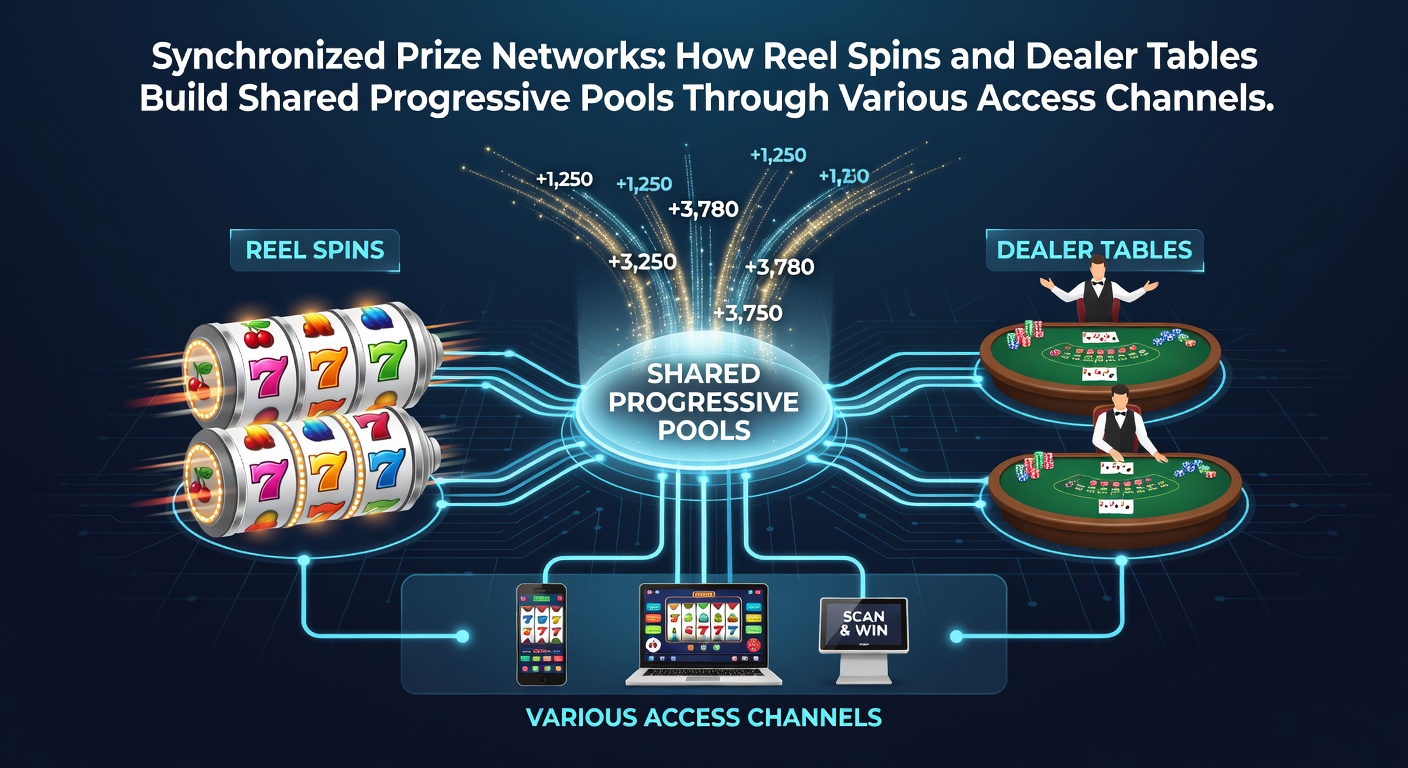
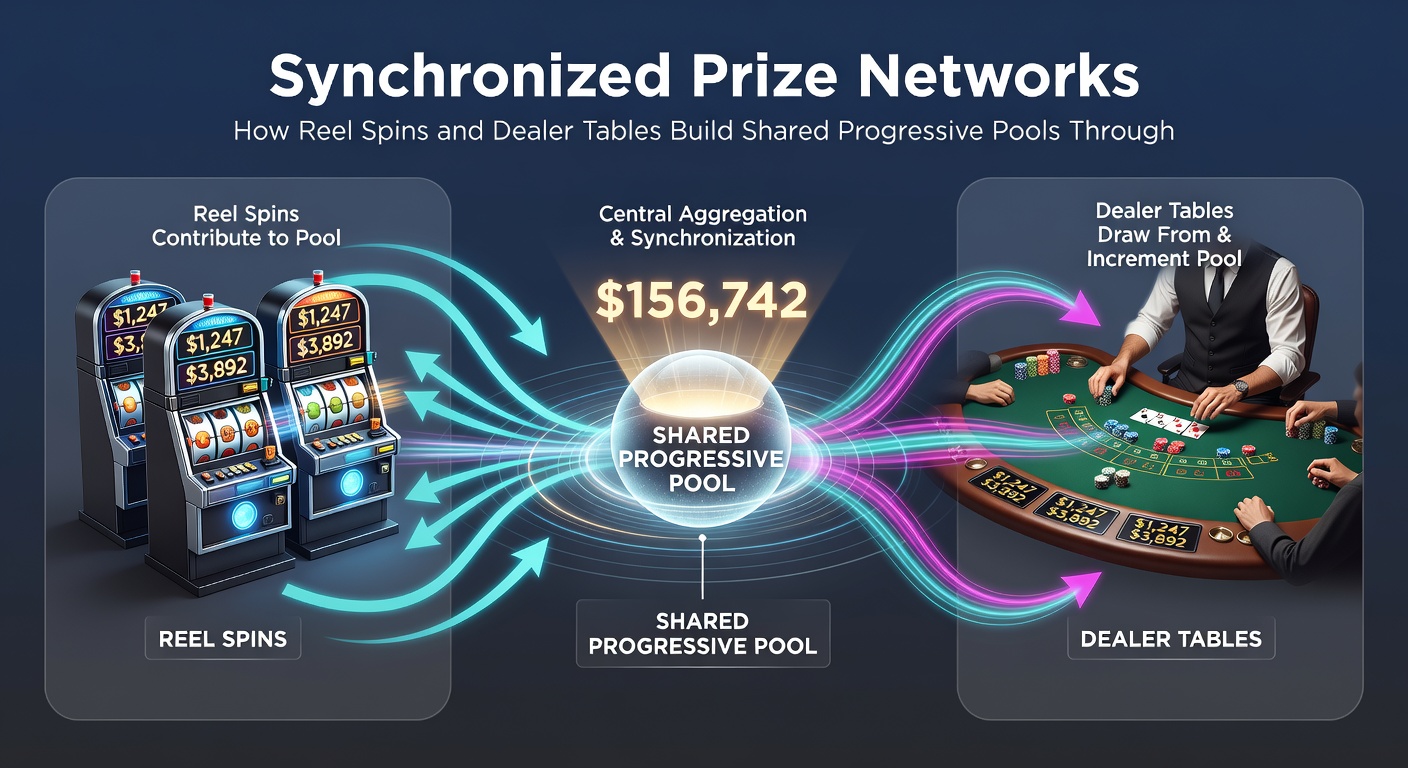
Operators have developed systems that allow slot reel spins and live dealer table outcomes to feed into unified progressive pools, creating larger prize structures that draw contributions from multiple game formats. These networks operate through centralized servers that track wagers across platforms and allocate portions to growing jackpots, with data synchronization protocols ensuring real-time updates regardless of whether players access games via mobile apps, desktop interfaces, or on-site terminals.
Mechanics of Cross-Format Contributions
Each qualifying bet on participating slot machines adds a fixed percentage to the shared pool, while table game wagers such as blackjack side bets or roulette special bets contribute at different rates calibrated to game volatility. Software platforms record every transaction and apply contribution rules uniformly, so a spin on a mobile slot in one region increments the same meter visible to players at live dealer tables elsewhere. According to research from the American Gaming Association, integrated systems have expanded the number of games feeding single progressive meters from an average of twelve titles in 2023 to over forty by early 2026.
Access channels include dedicated casino websites, third-party aggregator sites, and branded mobile applications that all route player activity through the same backend database. Geolocation services and account verification layers maintain compliance while permitting seamless movement between formats, allowing a single player balance to support both reel spins and table play without separate funding steps.
Role of Live Dealer Integration
Live dealer studios transmit results through encrypted video streams while simultaneously logging wager data to the progressive controller. When a player places a qualifying bet at a blackjack table, the system treats that stake identically to a slot wager for pool contribution purposes. Observers note that this dual recording happens within milliseconds, keeping displayed jackpot values consistent across all connected terminals and devices.
Hybrid game designs have emerged where certain live table outcomes trigger additional contributions or bonus multipliers that temporarily increase the rate at which the shared pool grows. These features rely on application programming interfaces that link the dealer management software directly to the jackpot engine, eliminating delays that previously separated table and slot ecosystems.
Expansion Through Multiple Access Points
By June 2026, several major operators had rolled out unified account systems that let users switch between mobile slots, desktop table games, and venue-based terminals while retaining eligibility for the same progressive prizes. Payment processors integrated at the account level handle deposits and withdrawals across all channels, reducing friction that once discouraged players from exploring multiple formats.
Data from industry reports indicate that networks supporting five or more access methods record higher average daily contributions per active player compared with single-channel setups. The increased volume stems from extended session lengths, because participants can continue accumulating toward the same prize whether they remain at a physical table or transition to a mobile slot during travel.
Technical Standards Supporting Synchronization
Standardized communication protocols developed by groups such as the Gaming Standards Association enable different game providers to connect their titles to common progressive controllers without custom coding for each integration. These protocols define data fields for wager amount, game type, and contribution rate, allowing the central system to calculate pool growth accurately across diverse titles.
Encryption and audit logging requirements ensure that every contribution remains traceable from the moment a wager registers until the jackpot meter updates. Regulatory frameworks in multiple jurisdictions mandate regular third-party testing of these synchronization processes to confirm that displayed values match actual pool balances at all times.
Player Movement and Prize Visibility
Players encounter the same progressive total whether they open a slot game on a smartphone or join a live dealer session on a tablet. Notification systems alert participants when the meter reaches predetermined thresholds, prompting transitions between formats without loss of eligibility. This visibility encourages continued engagement because the shared nature of the pool creates a collective stake that grows whenever any connected game receives qualifying wagers.
Operators track participation metrics that show elevated cross-format activity once players experience the unified prize display. Session data collected through June 2026 revealed that accounts using at least two access channels contributed 28 percent more to progressive pools than single-channel accounts over equivalent time periods.
Conclusion
Synchronized prize networks continue to expand as operators refine the technical links between reel-based and table-based games. The resulting shared pools depend on consistent contribution rules, reliable data synchronization, and multiple access channels that together maintain a single, visible jackpot across all participating platforms. These systems rely on established communication standards and regulatory oversight to ensure accurate tracking and equitable prize distribution.