Gateways to Glory: Payment Options Powering Access to Daily Prize Events and Competitive Play
Written by Rafael Keller · Aug 10, 2026
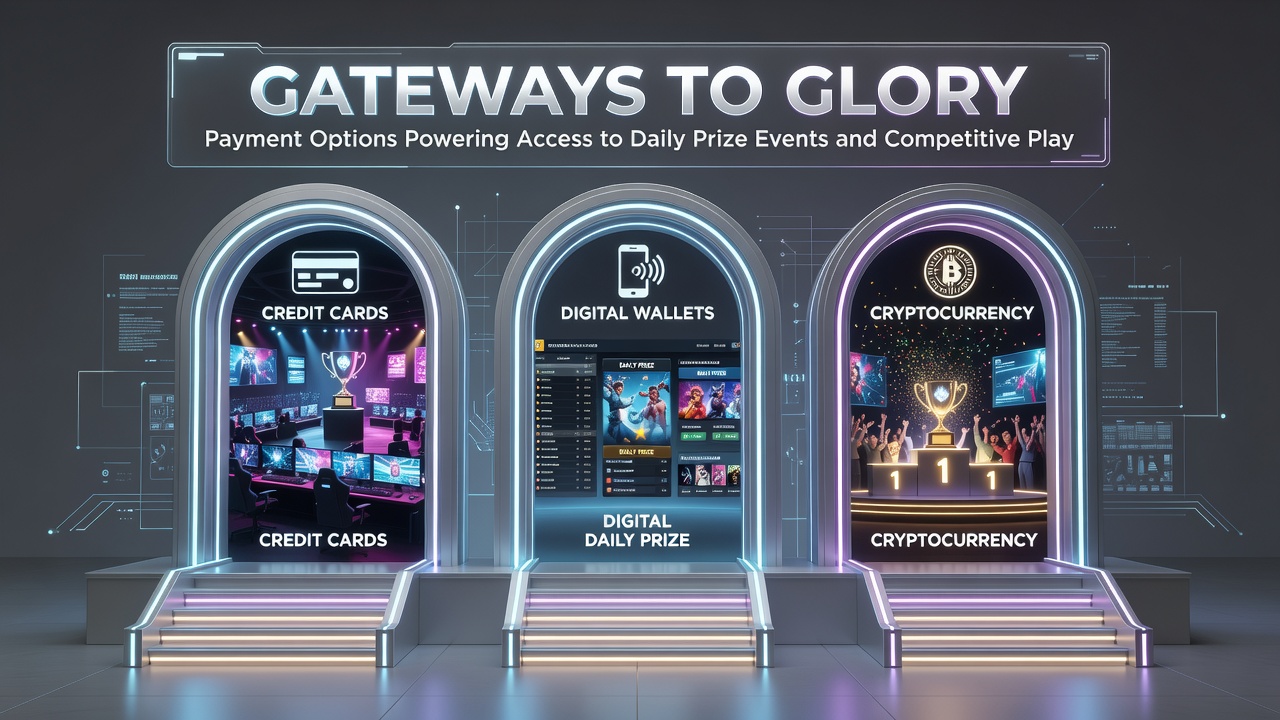
Gateways to Glory: Payment Options Powering Access to Daily Prize Events and Competitive Play
Payment systems have become central to how participants join daily prize events and competitive play across digital platforms, with transaction methods determining speed, accessibility, and eligibility for rewards in structured competitions. Data from various regulatory bodies indicate that seamless deposit and withdrawal options correlate directly with higher participation rates in time-sensitive tournaments, where delays can exclude players from prize pools that reset daily or weekly. Observers note that operators integrate multiple gateways to handle volume spikes during peak tournament hours, ensuring funds move without interruption while complying with regional standards.
Core Payment Methods Driving Tournament Entry
Traditional bank transfers, credit and debit cards, e-wallets, and emerging digital currencies each serve distinct roles in powering access, according to industry analyses from 2025 and 2026. Credit card transactions often clear instantly for initial deposits, allowing immediate entry into events that award cash prizes based on leaderboard positions or spin totals accumulated over short windows. E-wallets such as those offered by established providers reduce processing times further, with many systems confirming transfers in under a minute, which matters when tournaments launch multiple times per day and slots fill quickly. Digital asset options have expanded in certain jurisdictions, providing alternatives that bypass some legacy banking restrictions and support cross-border participation in global competitive formats.
Those who track transaction data report that platforms offering at least four distinct methods see elevated retention during series of linked events, because players encounter fewer barriers when switching between prize drops and bracket-style competitions. In August 2026, several markets recorded measurable upticks in daily event entries following the addition of instant settlement features to existing gateways, as documented in operational reports shared among operators.
Integration with Daily Prize Structures and Competitive Formats
Gateways connect directly to backend systems that validate balances before granting entry, preventing incomplete registrations that could disrupt prize distribution. Real-time verification protocols scan incoming payments against compliance lists, then release credits that participants use to accumulate points or complete challenges within fixed timeframes. This linkage supports formats where daily drops award fixed sums to top performers, while progressive elements build across multiple sessions and require sustained funding access throughout the cycle.
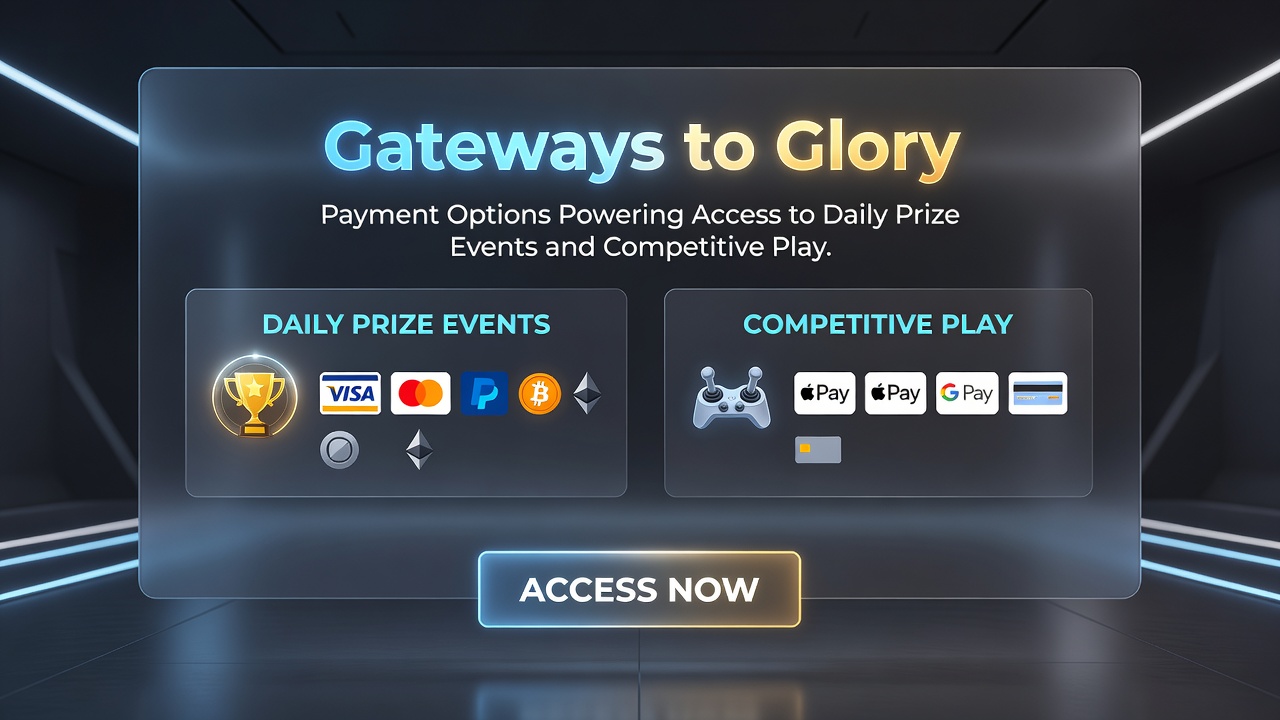
Competitive play often incorporates tiered entry fees paid through the same channels, with automated deductions applied once a player selects a bracket. Figures from North American gaming authorities, including records maintained by the Pennsylvania Gaming Control Board, show that platforms with diversified payment rails maintained higher daily active users during extended tournament seasons compared with those limited to fewer options. Similar patterns appear in reports issued by Australian regulatory bodies, where instant payout capabilities tied to competitive rewards encouraged repeat entries without extended wait periods between events.
Security Protocols and Regulatory Alignment Across Regions
Encryption standards, two-factor authentication, and transaction monitoring form the backbone of reliable gateways, protecting both operator systems and participant accounts during high-volume periods. European oversight entities and Canadian provincial regulators have issued guidelines that require documented audit trails for every deposit linked to prize events, ensuring traceability from initial funding through final reward disbursement. These measures reduce disputes and support the integrity of competitive rankings that determine who receives portions of daily prize allocations.
Operators have responded by adopting tokenization for stored payment details, which limits exposure while permitting rapid re-entry into subsequent competitions. Data compiled by research groups such as the National Council on Problem Gambling in the United States highlight that transparent fee structures and clear processing timelines associated with approved gateways correlate with sustained user engagement across multiple event types.
Future Developments in Payment-Enabled Play
Emerging standards around open banking and faster settlement rails continue to influence how platforms structure access to daily and competitive offerings. Integration testing conducted in mid-2026 demonstrated that platforms adopting next-generation verification reduced average entry completion times by measurable margins, allowing more participants to join events before cutoffs. Geographic variation remains notable, with some markets prioritizing local payment preferences while others emphasize global compatibility to support international tournament fields.
Conclusion
Payment gateways serve as the operational foundation that translates available funds into active participation in daily prize events and competitive formats. Their design directly affects entry speed, security compliance, and reward accessibility, as evidenced by operational metrics gathered across multiple jurisdictions through 2026. Continued refinement of these systems supports broader involvement while maintaining the structured timelines that define tournament play.