Cross-Platform Reward Ecosystems Expand Cumulative Prize Opportunities Across Digital Landscapes
Written by Rafael Keller · Jun 22, 2026

Cross-Platform Reward Ecosystems Expand Cumulative Prize Opportunities Across Digital Landscapes
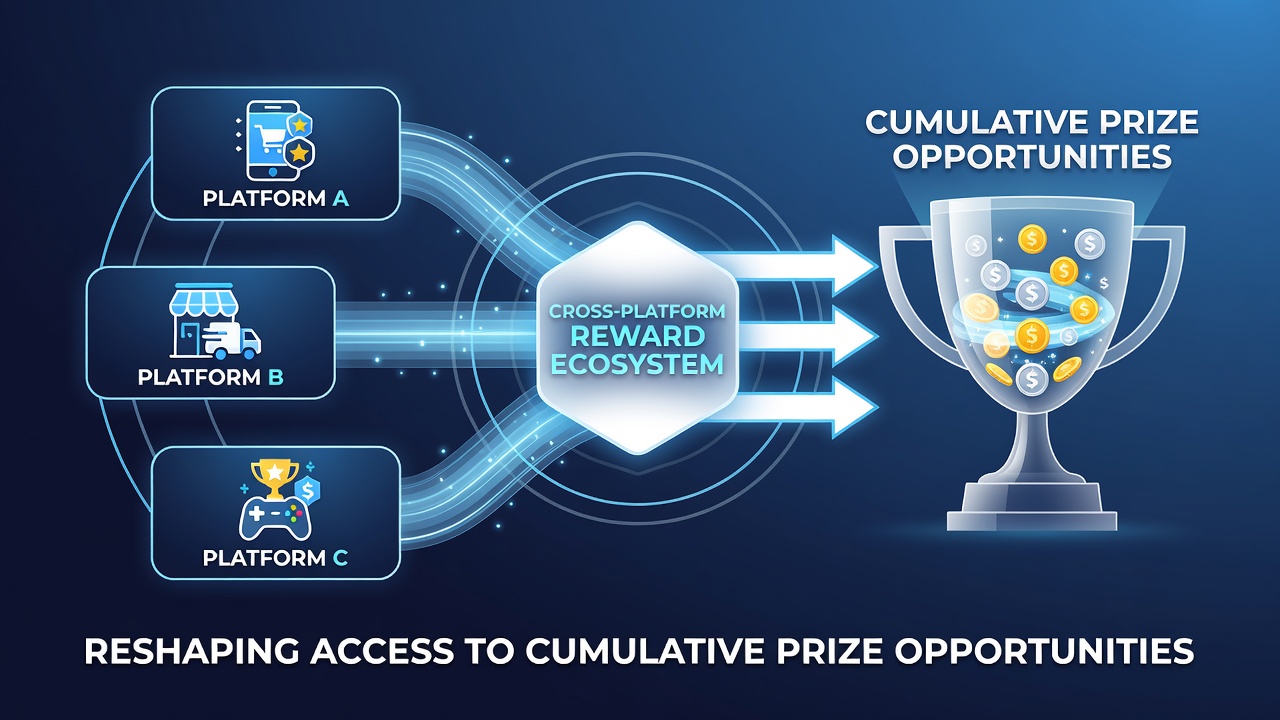
Digital platforms now connect user activities across devices in ways that allow points and rewards to accumulate into larger prize structures. Observers note that these systems operate through shared databases where actions on a smartphone app feed directly into progress tracked on desktop interfaces or console environments. Data from industry reports shows participation rates climbing as users discover they can build toward the same goals regardless of where they engage.
Mechanics Behind Unified Reward Tracking
Developers implement application programming interfaces that sync activity logs in real time. A user earns credits during a mobile session while those same credits register instantly when the account opens on another device. Researchers at academic institutions have documented how these connections reduce fragmentation that once forced separate accounts for each platform. According to studies published through university research centers, such integration increases total engagement time because participants see visible progress across multiple touchpoints.
Companies structure tiers where accumulated value unlocks additional opportunities. Basic levels grant small redemptions while higher tiers open access to larger cumulative prizes. Figures from trade associations reveal that operators in North America and the European Union rolled out tiered models at accelerated rates through early 2026.
Regional Developments and June 2026 Data Releases
Regulatory bodies in Australia released updated guidelines in June 2026 that addressed data portability requirements for loyalty programs. Those guidelines clarified how providers must allow users to export accumulated rewards when switching ecosystems. Similar updates appeared from Canadian provincial authorities around the same period, focusing on transparency in how cross-device tracking occurs. Industry organizations reported that compliance with these rules prompted several major platforms to publish clearer user dashboards showing total prize potential.
What's interesting is the way these policy shifts coincided with technical upgrades. Many providers introduced new synchronization layers during the same months, allowing rewards earned in one region to remain accessible when users travel. Government agencies across multiple jurisdictions tracked adoption metrics that indicated steady growth in cross-border reward usage.
Examples From Retail and Entertainment Sectors
Retail chains in the United States have linked in-store purchases with online portals and mobile applications. Shoppers accumulate points that count toward both digital vouchers and physical merchandise regardless of the original purchase channel. One case study from a major department store group demonstrated how participants who engaged across three platforms reached redemption thresholds faster than those limited to single-channel activity.
Entertainment services follow similar patterns. Streaming platforms now tie viewing habits on smart televisions to companion apps on portable devices, granting cumulative badges that unlock exclusive content libraries. Those who've studied these programs observe that users often complete challenges started on one device during commutes and finished at home on larger screens.
Access Patterns and User Behavior Shifts
Access to cumulative prizes changes when ecosystems remove device-specific barriers. Participants no longer restart progress when switching hardware, which data indicates leads to higher completion rates for multi-stage reward journeys. Industry analyses from research institutions show that users who connect at least two platforms achieve median prize values approximately thirty percent higher than single-platform users over comparable timeframes.
Yet certain limitations persist. Some programs still cap transfers between regions or require verification steps that slow momentum. Observers note that providers addressing these friction points through streamlined authentication see quicker uptake. Academic papers released in 2025 highlighted how reduced verification delays correlated with broader participation across demographic groups.
Technical Infrastructure Supporting Growth
Cloud-based ledgers form the backbone of these ecosystems. They record every action with timestamps and device identifiers while maintaining a unified user balance. Security protocols encrypt these records and allow selective sharing with partner platforms under controlled conditions. Organizations that adopted advanced encryption standards ahead of 2026 regulatory updates reported fewer compliance issues during audits.
Integration with emerging technologies continues. Some providers now test blockchain elements to create verifiable ownership of accumulated rewards. Early pilots conducted by technology consortia demonstrated that such methods can prevent duplication while preserving user privacy across borders.
Conclusion
Cross-platform reward ecosystems continue to evolve through coordinated technical and policy developments. Data collected through mid-2026 indicates sustained expansion in both participation numbers and average prize sizes. Those monitoring these trends expect further refinements in portability rules and synchronization speed as additional regions introduce updated frameworks. The structure of cumulative opportunities now depends less on isolated platform rules and more on interconnected systems that span devices and jurisdictions.