Cross-Format Gaming Synchronization Protocols Bridge Live Interactions and Digital Reel Systems for Unified Reward Pools
Written by Wendy Albrecht · May 23, 2026
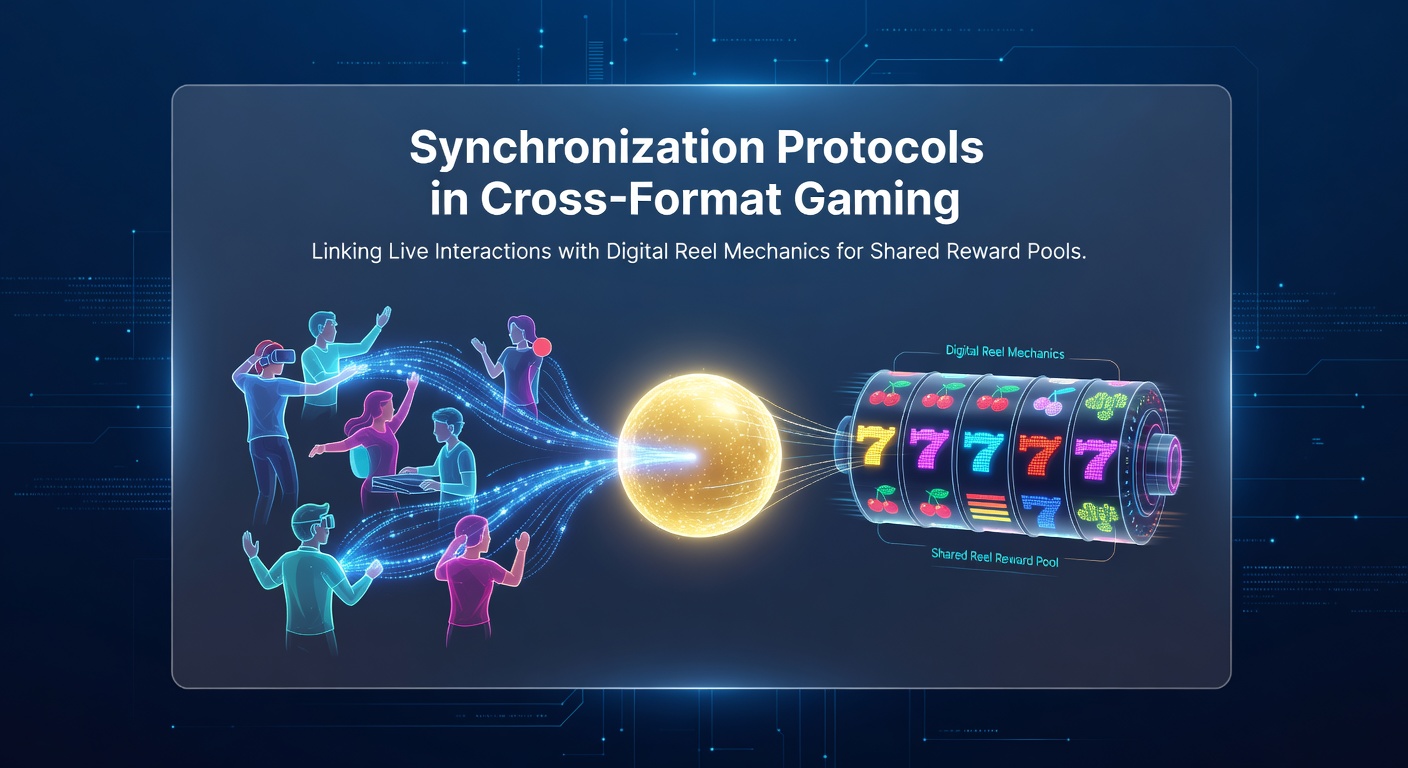
Cross-Format Gaming Synchronization Protocols Bridge Live Interactions and Digital Reel Systems for Unified Reward Pools
Operators have developed synchronization protocols that connect live dealer sessions directly to digital reel mechanics, allowing players across formats to contribute to and draw from shared reward pools in real time. These systems transmit player actions from live tables into slot algorithms while updating progressive accumulators and bonus structures simultaneously across both environments. Data flows through standardized APIs that maintain consistency between physical interactions and virtual outcomes, creating larger prize pools that grow from combined participation rates.
Core Mechanics of Cross-Format Synchronization
Live interactions generate data points such as bet amounts, timing sequences, and outcome triggers that feed into digital reel systems through secure middleware layers. The protocols translate these inputs into reel spin parameters or multiplier adjustments, ensuring that a decision made at a live table influences the probability matrix of connected slot games. Shared reward pools accumulate contributions from both live wagers and digital spins, with synchronization engines reconciling balances every few milliseconds to prevent discrepancies. Researchers at institutions like the University of Nevada have documented how these protocols rely on timestamped event logs and checksum validations to maintain integrity across distributed servers.
One implementation involves a central ledger that records every live card draw or wheel spin alongside corresponding digital reel results. This ledger updates shared accumulators in both formats without requiring players to switch platforms. Observers note that such integration allows reward pools to expand faster than single-format systems because participation volume doubles when live and digital audiences merge into the same pool.
Technical Infrastructure Supporting Real-Time Links
Developers deploy WebSocket connections and dedicated gaming protocols to achieve sub-second latency between live action and digital reel responses. These connections carry encrypted payloads that include player identifiers, stake values, and reward eligibility flags. When a live dealer completes a round, the protocol pushes updated pool totals to digital slot servers, which then adjust displayed progressive meters for online users. Industry reports from the Nevada Gaming Control Board indicate that certified synchronization modules must undergo stress testing to handle peak loads exceeding ten thousand concurrent sessions without data loss.
Shared Reward Pool Dynamics
Reward pools in these synchronized environments combine contributions from live table minimums and digital spin increments into unified progressive structures. A single jackpot may receive percentage allocations from both a live blackjack hand and a connected five-reel slot spin, creating larger prize amounts that reset only after a qualifying win occurs in either format. The protocols enforce contribution rules that allocate different percentages based on game type while ensuring the total pool value remains visible and consistent across player interfaces.

Allocation algorithms within the synchronization layer distribute portions of each wager to specific pool tiers, such as daily drops or tiered jackpots. When a live player triggers a bonus event, the protocol notifies digital reel engines to award matching or scaled rewards to eligible online participants. This bidirectional linkage maintains fairness by applying identical random number generation seeds or certified pseudorandom sequences across formats where applicable.
Implementation Examples Across Regions
Casino groups operating in multiple jurisdictions have rolled out these protocols in phases, beginning with controlled test environments in May 2026. One documented case involved a North American operator linking live roulette tables in a Las Vegas facility to digital reel games available to players in regulated markets. The synchronization engine adjusted shared pool contributions based on real-time exchange rates and local regulatory caps, resulting in unified prize displays that updated without manual intervention. Similar deployments reported by the Australian Communications and Media Authority show comparable architectures supporting cross-state player pools under strict licensing conditions.
European operators following guidelines from the European Gaming and Betting Association have integrated synchronization protocols into hybrid tournament formats where live table results directly influence digital leaderboard positions. These systems use standardized data schemas that allow third-party auditors to verify pool integrity through immutable transaction records.
Security and Compliance Considerations
Protocols incorporate multi-factor authentication for data streams and continuous monitoring for anomalies that could indicate synchronization failures. Compliance frameworks require operators to maintain separate audit trails for live and digital components while demonstrating that shared pools adhere to jurisdictional prize payout rules. Data shows that certified systems achieve reconciliation accuracy rates above 99.99 percent when tested against simulated high-volume scenarios.
Conclusion
Synchronization protocols continue to evolve as operators refine methods for linking live interactions with digital reel mechanics in shared reward environments. These systems expand participation bases and consolidate prize pools through real-time data exchange, supported by technical standards and regulatory oversight from bodies across different regions. As implementations mature, the focus remains on maintaining consistent reward mechanics that function reliably across formats.