Bridging Digital Payments with Hybrid Tournament Formats in Progressive Slot Environments
Written by Riley Lehmann · Jun 6, 2026
Bridging Digital Payments with Hybrid Tournament Formats in Progressive Slot Environments
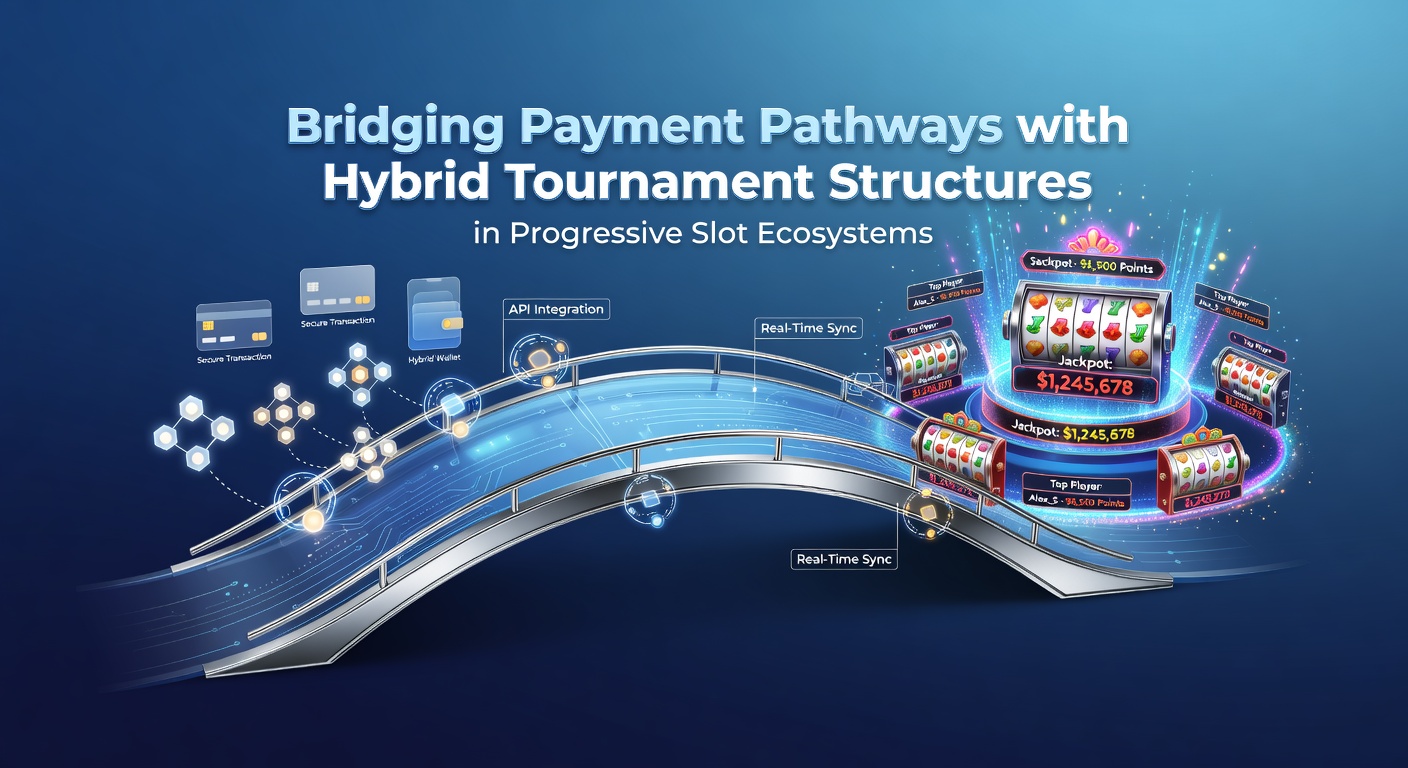
Payment integration now forms a core component of hybrid tournament models that combine fixed prize pools with progressive jackpot elements across digital slot platforms, and operators have expanded these frameworks since early 2025 to accommodate real-time transaction flows during live competition windows.
Hybrid structures allow participants to enter via standard deposits that feed both guaranteed rewards and escalating progressive meters, while automated payout rails distribute winnings without interrupting play sessions. Data from industry monitoring groups indicates that such linkages have increased average session durations by measurable margins in regulated markets, particularly where mobile interfaces support instant verification of entry fees and prize claims.
Core Mechanics of Hybrid Tournament Integration
Progressive ecosystems operate on networked jackpot contributions that grow with each spin, yet hybrid tournaments layer additional competition layers where players accumulate points toward tiered leaderboards that unlock supplemental rewards. Payment pathways bridge these layers by processing micro-transactions for re-entries or side bets that contribute fractions to the main progressive total, and this occurs seamlessly because gateway providers embed APIs that sync with game servers in milliseconds.
Those who design these systems note that real-time reconciliation prevents discrepancies between player balances and tournament standings, which reduces disputes and supports compliance with varying jurisdictional requirements. In June 2026 several North American operators reported expanded deployment of these integrated models following updates to transaction security standards issued by state regulators.
Payment Technology Enabling Tournament Scalability
Modern gateways utilize tokenization and instant settlement protocols that connect directly to casino management systems, allowing entry fees to allocate portions toward progressive growth while the remainder funds fixed prize tiers. This dual allocation happens automatically through predefined rulesets that tournament software enforces without manual intervention from operators or players.
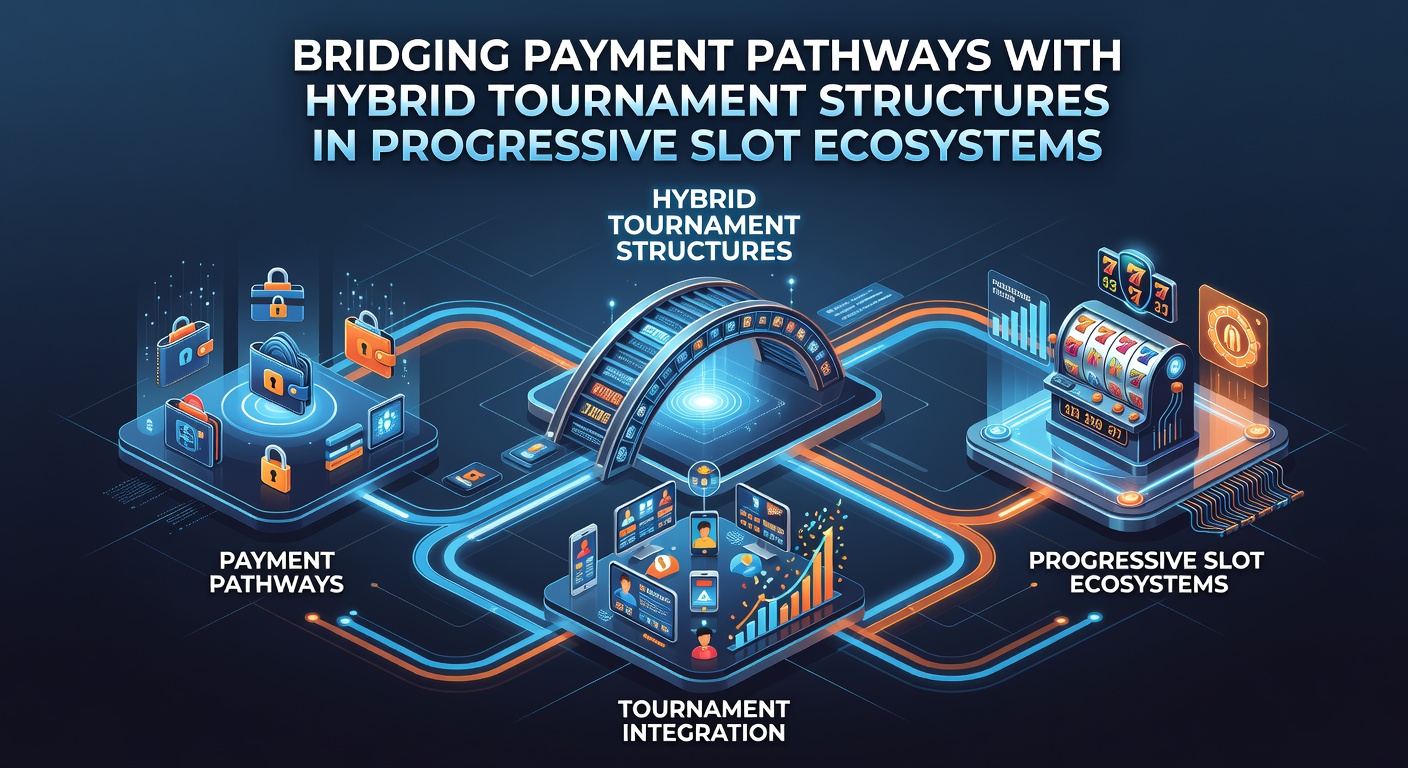
Research conducted by the University of Nevada's International Gaming Institute demonstrates that platforms employing unified payment and tournament engines achieve higher throughput during peak events, with transaction success rates exceeding 99 percent across thousands of concurrent entries. Observers note that these efficiencies stem from reduced latency between deposit confirmation and leaderboard updates, which keeps participants engaged through visible progress tracking.
Regulatory and Operational Considerations Across Regions
Jurisdictions outside the UK have introduced guidelines that address the intersection of payment processing and competitive slot formats, including requirements for transparent fee structures and audit trails that link every transaction to specific tournament outcomes. The Alcohol and Gaming Commission of Ontario, for instance, mandates detailed reporting on how progressive contributions interact with hybrid prize distributions, which encourages operators to maintain synchronized ledgers between financial and gaming databases.
Industry associations such as the American Gaming Association have published summaries highlighting adoption rates of these bridged systems in multiple states, where data shows consistent growth in tournament participation when payment friction decreases. Yet the same reports emphasize that scalability depends on partnerships with established payment processors capable of handling cross-border compliance variations without service interruptions.
Practical Implementations and Measured Outcomes
One documented rollout in a European online platform combined daily hybrid events with a shared progressive network, resulting in automated prize drops that credited player accounts within seconds of tournament closure. Payment logs from that implementation reveal direct correlations between seamless deposit options and repeat entries, as participants could rejoin subsequent rounds without exiting the application interface.
Additional examples from Australian operators illustrate how loyalty-linked payment profiles accelerate hybrid tournament access, since verified accounts bypass redundant authorization steps during high-frequency events. Figures released by regional gaming bodies indicate that these streamlined pathways have supported larger prize pools without proportional increases in operational overhead.
Conclusion
Hybrid tournament structures continue to evolve through tighter coupling with payment infrastructures that support both progressive accumulation and immediate reward distribution. Evidence from regulatory filings and academic studies confirms that these connections enhance operational continuity across diverse markets, while maintaining the integrity of jackpot growth mechanisms and competition fairness. As platforms refine synchronization protocols, further measured expansions appear likely in regions that prioritize secure, transparent transaction environments.