Behind the Interface: How Transaction Networks Quietly Power Tournament Ladders and Loyalty Escalations in Digital Gaming Platforms
Written by Clara Washington · Jul 20, 2026
Behind the Interface: How Transaction Networks Quietly Power Tournament Ladders and Loyalty Escalations in Digital Gaming Platforms
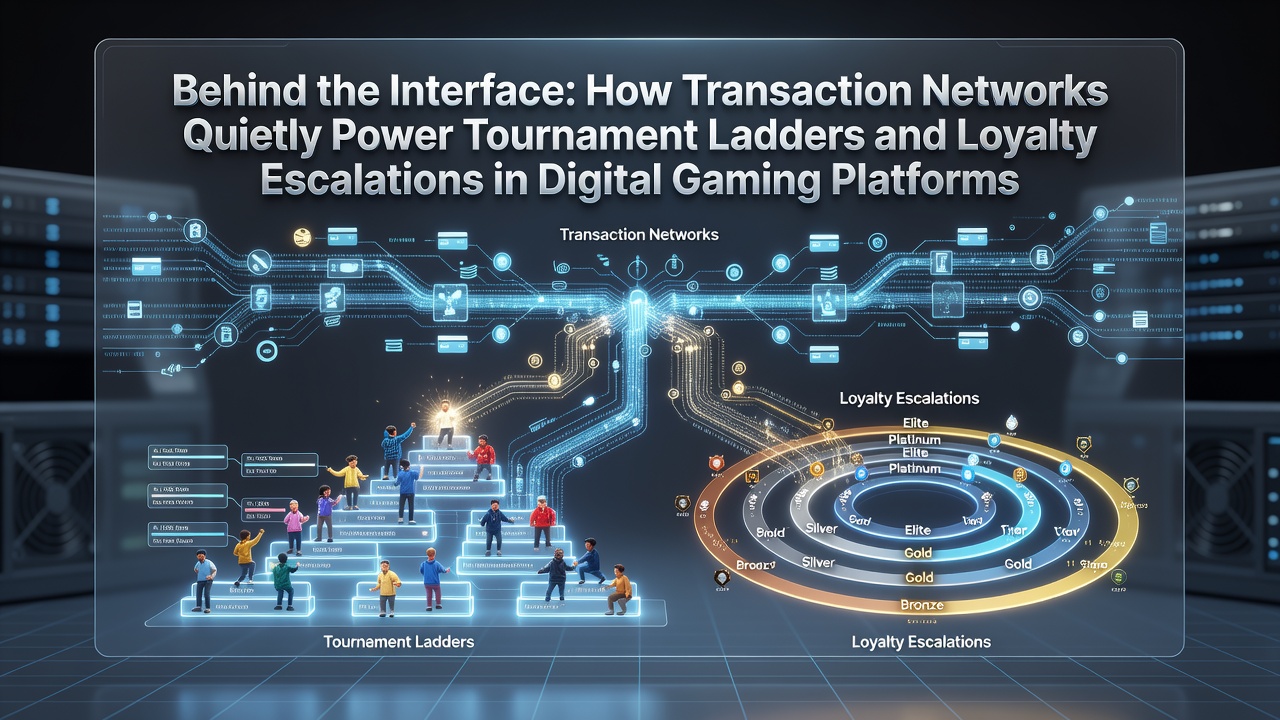
Transaction networks form the backbone of modern digital gaming platforms, handling the flow of entries, prizes, and reward points that sustain competitive ladders and tiered loyalty programs. These systems process payments, verify transactions, and distribute rewards in real time, allowing tournaments to scale across thousands of participants while loyalty escalations track player engagement through accumulated data points.
Core Mechanics of Transaction Networks
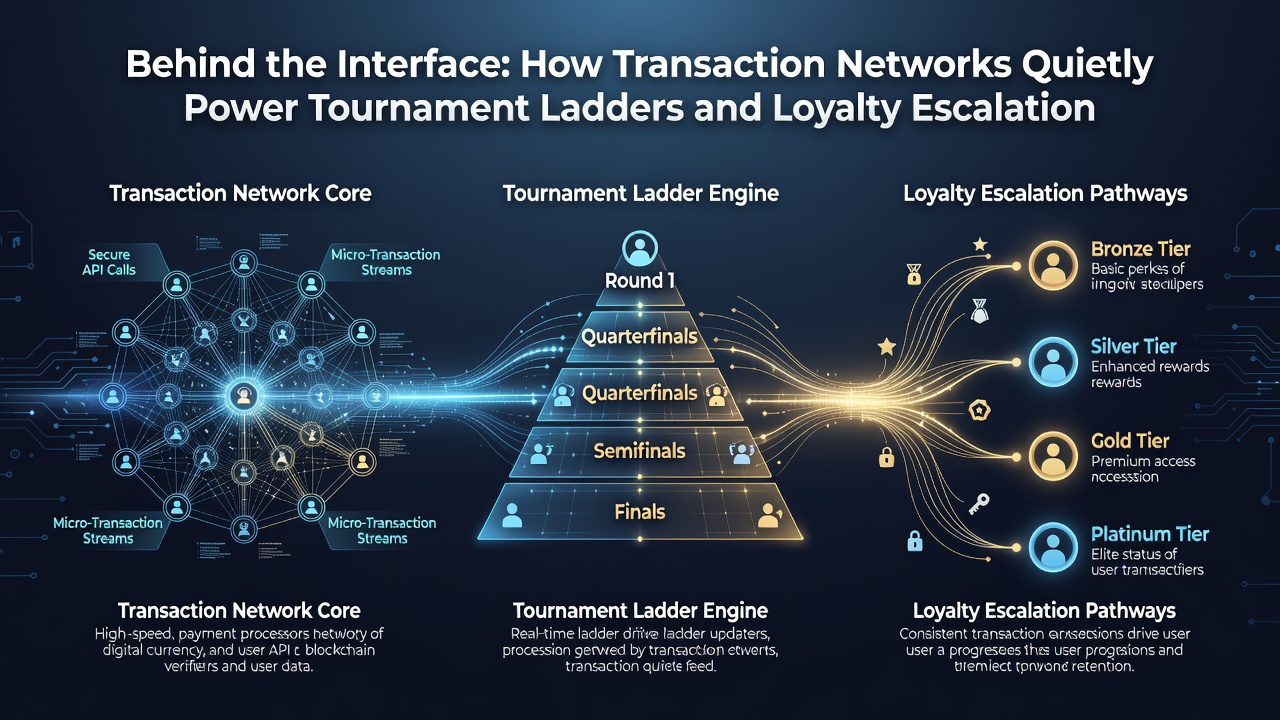
Payment processors and API-driven gateways manage the movement of funds between players, platform operators, and prize pools. When a gamer enters a tournament, the network authorizes the entry fee, confirms the transaction, and allocates the amount to a centralized pool that grows with participation. Observers note that these steps occur within milliseconds, maintaining the pace of live competitions without interrupting gameplay.
Data from industry reports shows that platforms integrate multiple payment rails, including credit cards, digital wallets, and regional banking options, to accommodate global audiences. Each integration adds layers of verification that reduce fraud while ensuring prize money reaches winners through automated disbursements once tournament brackets conclude.
Tournament Ladders and Real-Time Processing
Tournament ladders rely on continuous updates to player standings, which transaction networks support by recording match results alongside associated fees or wagers. A player who advances through qualifying rounds triggers a series of micro-transactions that adjust point totals and unlock higher brackets. Researchers at various institutions have documented how these networks synchronize with game servers to reflect changes instantly across leaderboards.
One documented case involved a mobile esports platform where daily ladder resets coincided with batch processing of entry fees collected the previous evening. The system cleared thousands of transactions overnight, redistributing funds into new prize tiers by morning. Such operations depend on redundant server clusters that prevent downtime during peak registration windows.
Loyalty Escalations Through Accumulated Data
Loyalty programs escalate player status based on cumulative spending and participation metrics that transaction networks record and categorize. Each purchase of in-game currency or tournament entry adds to a player's profile score, which algorithms then translate into tier advancements. Figures released by the Entertainment Software Association indicate that reward redemptions tied to these escalations account for a growing share of platform revenue streams.
Platforms often structure these systems around milestone triggers, such as reaching a specific spend threshold within a calendar month. When the threshold is met, the network automatically issues bonus credits or exclusive tournament access. Those who've studied these architectures point out that the same infrastructure handles both small recurring charges and larger seasonal promotions without requiring separate ledgers.
Security and Compliance Layers
Transaction networks incorporate encryption protocols and compliance checks that align with regional financial regulations. Platforms operating across multiple jurisdictions route transactions through localized gateways to satisfy varying tax and reporting requirements. A study published through academic channels in Canada highlighted how these layered verifications also help platforms maintain audit trails for dispute resolution.
Observers have seen cases where attempted chargebacks during active tournaments prompted the network to pause prize distribution until the transaction cleared review. This safeguard protects both the operator and remaining participants by preserving pool integrity throughout the event cycle.
Integration With Broader Platform Ecosystems
Many platforms connect their transaction networks to third-party services that supply analytics on player behavior. These connections allow loyalty escalations to respond dynamically to engagement patterns detected across tournaments and casual play sessions. Data shared through secure APIs informs adjustments to reward rates without exposing sensitive financial details.
Industry organizations such as the Interactive Games and Entertainment Association in Australia have reported on how such integrations support cross-platform play, where a single loyalty account tracks activity from console, PC, and mobile environments. The underlying networks reconcile currency conversions and regional pricing differences before updating tier status.
Conclusion
Transaction networks continue to evolve alongside gaming platforms, supporting increasingly complex tournament structures and loyalty frameworks through precise, high-volume processing. Their quiet operation enables the visible excitement of ranked competitions and reward progressions that players encounter daily.